Ignoring the Decoy:
Exposing and Tackling Forensic Distractions
in Image Forgery Localization
using Masked Convolutions

IEEE/CVF Winter Conference on Applications of Computer Vision (WACV) Workshops, 2026
IDLab, Ghent University – imec
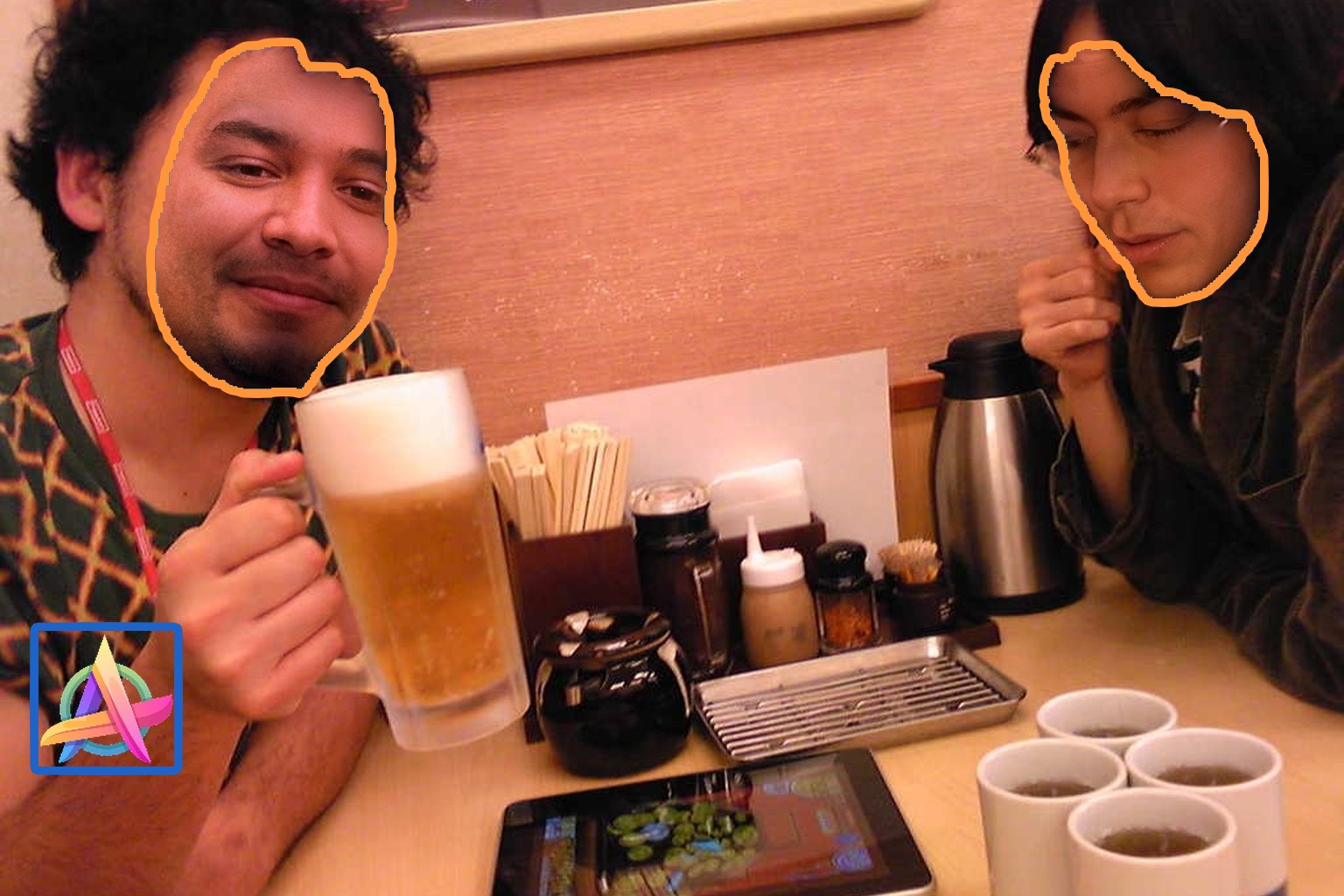
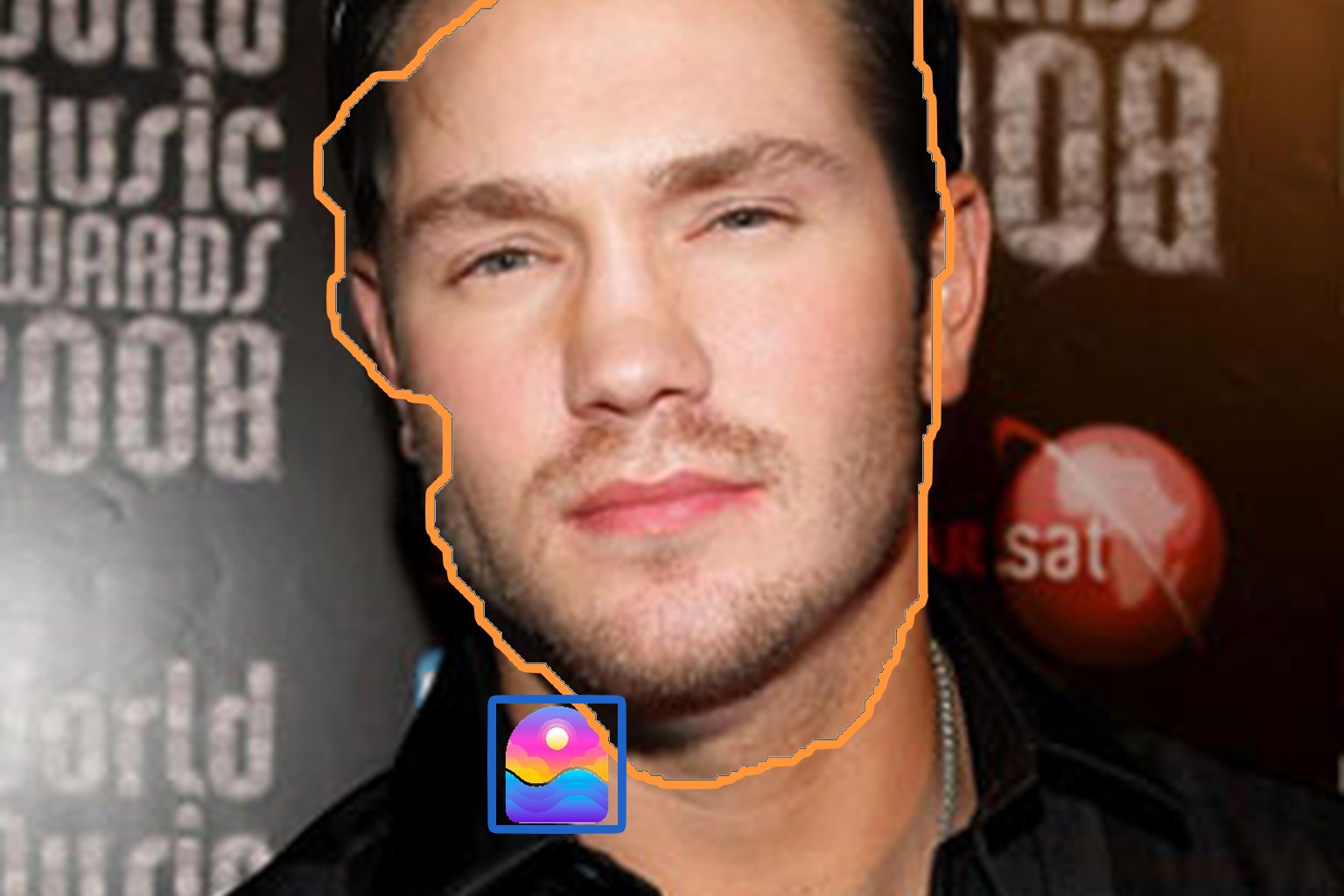
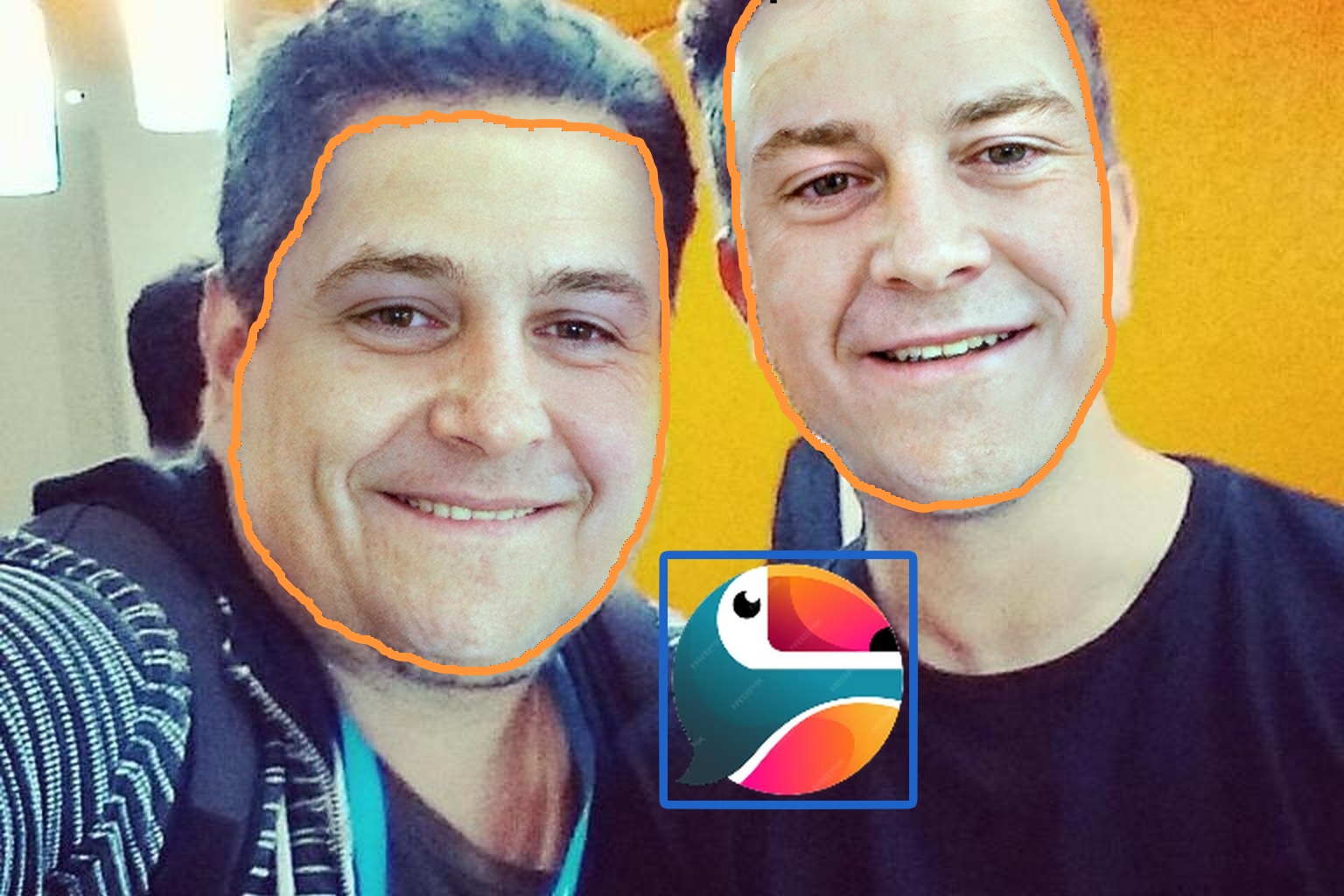
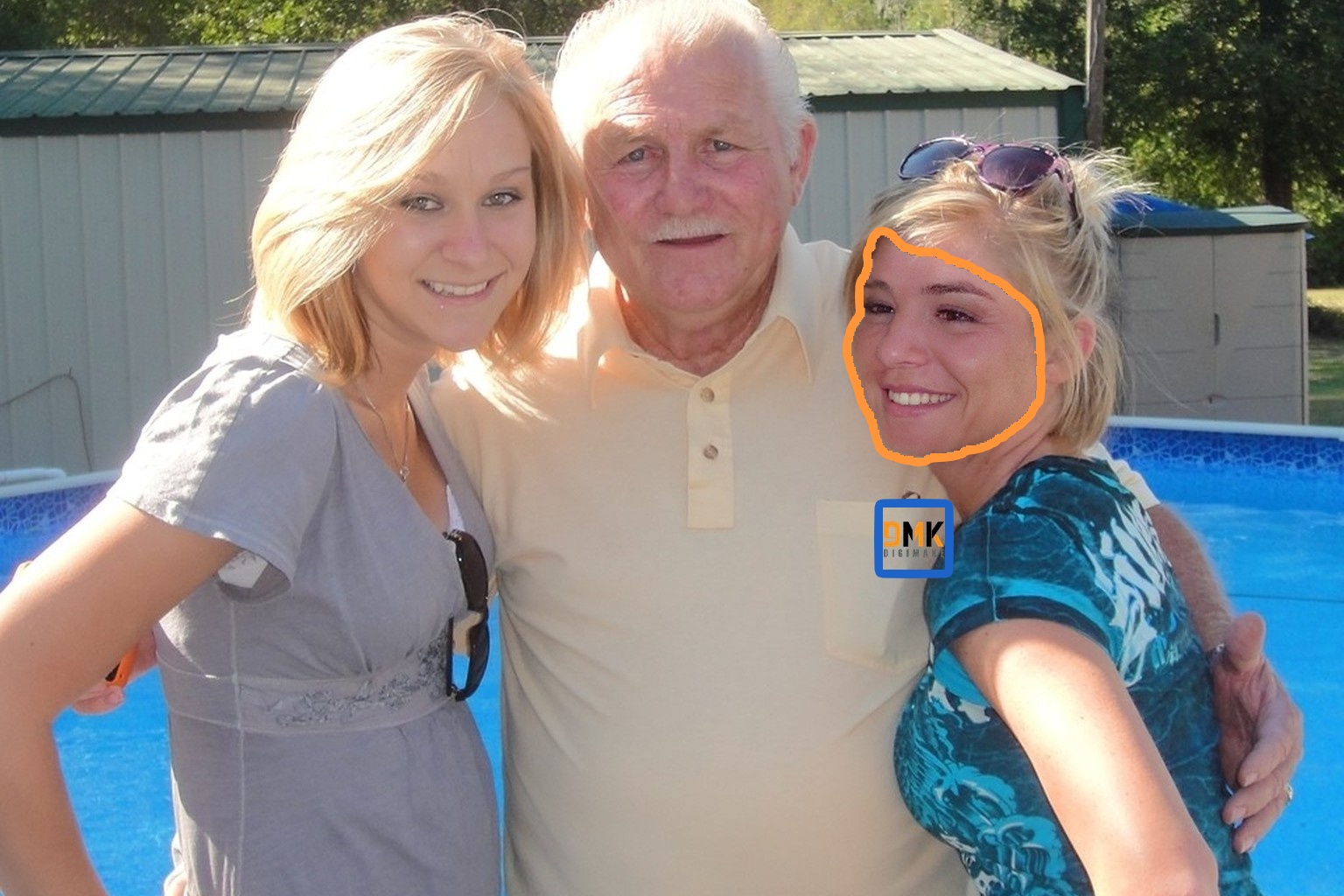
Forged image with distraction
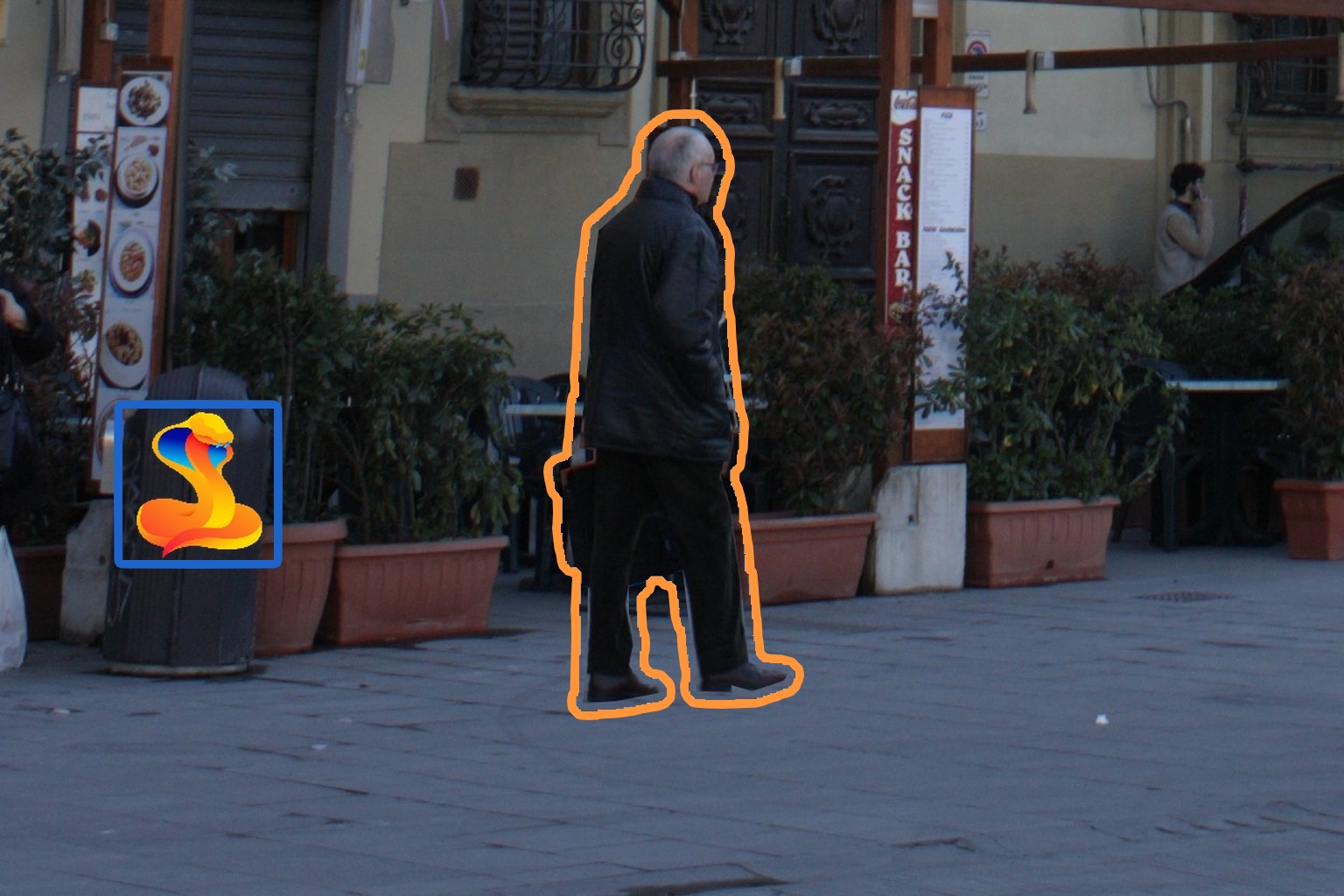
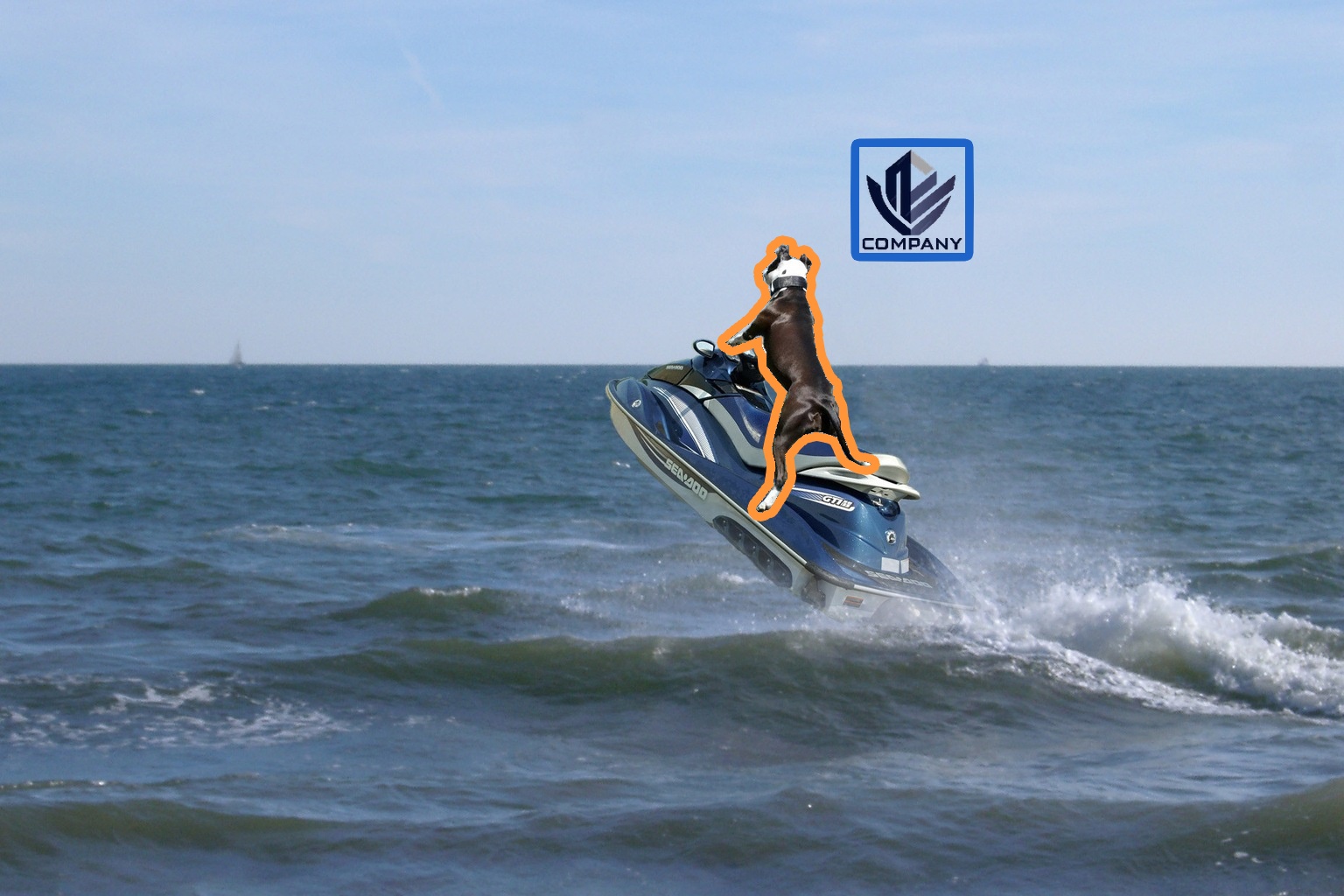
(a) Forged image with distraction
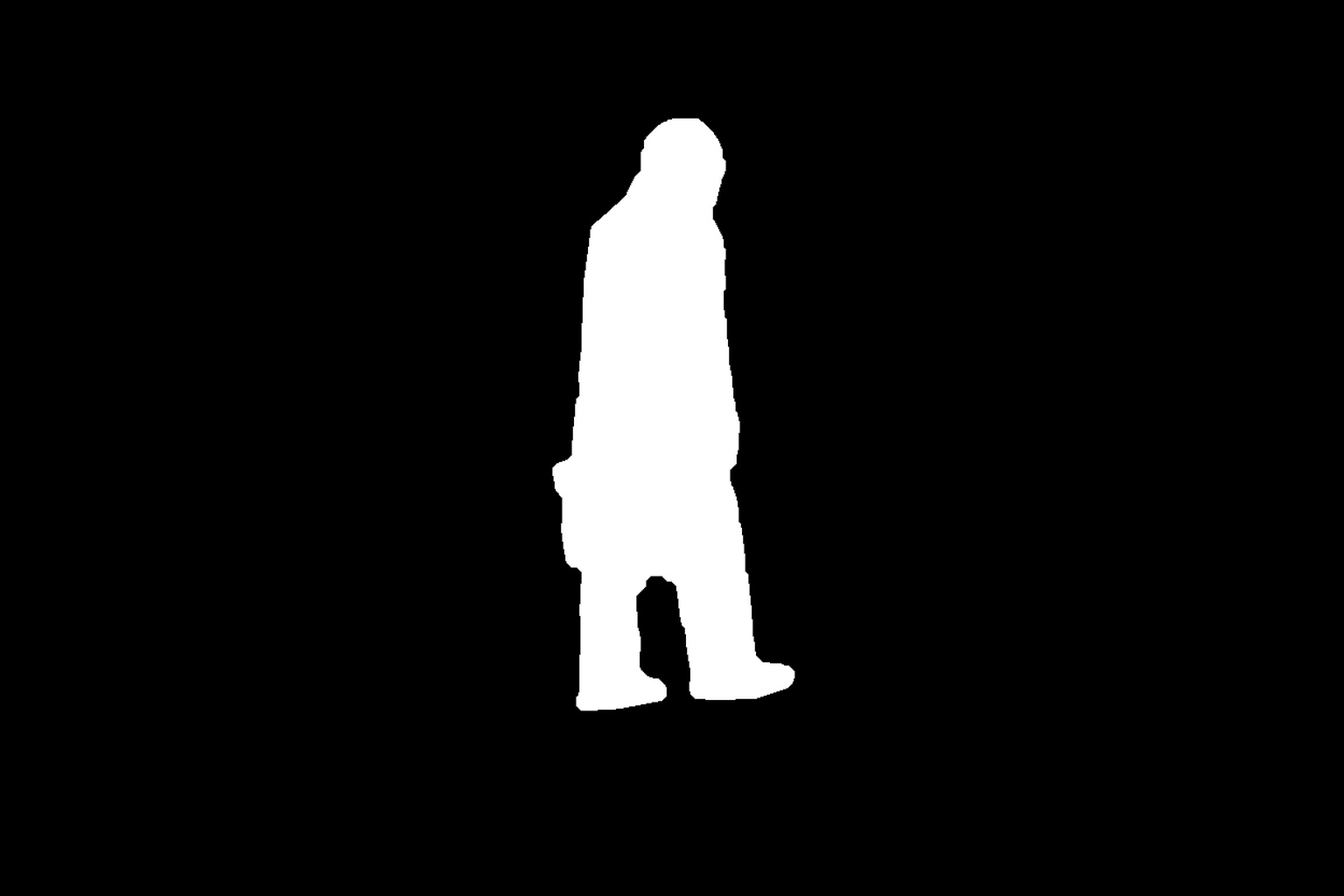
Ground-truth mask
(b) Ground-truth mask
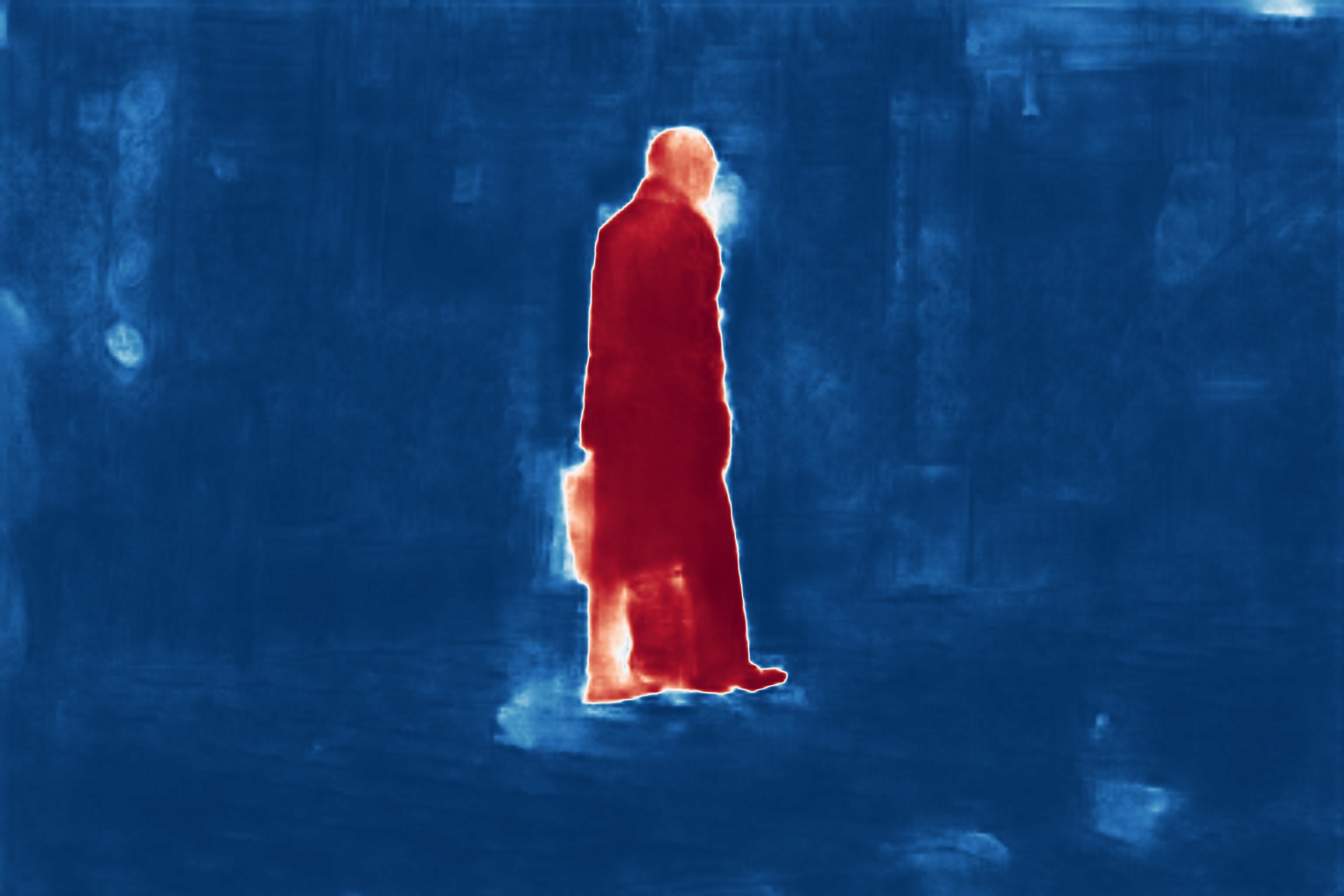
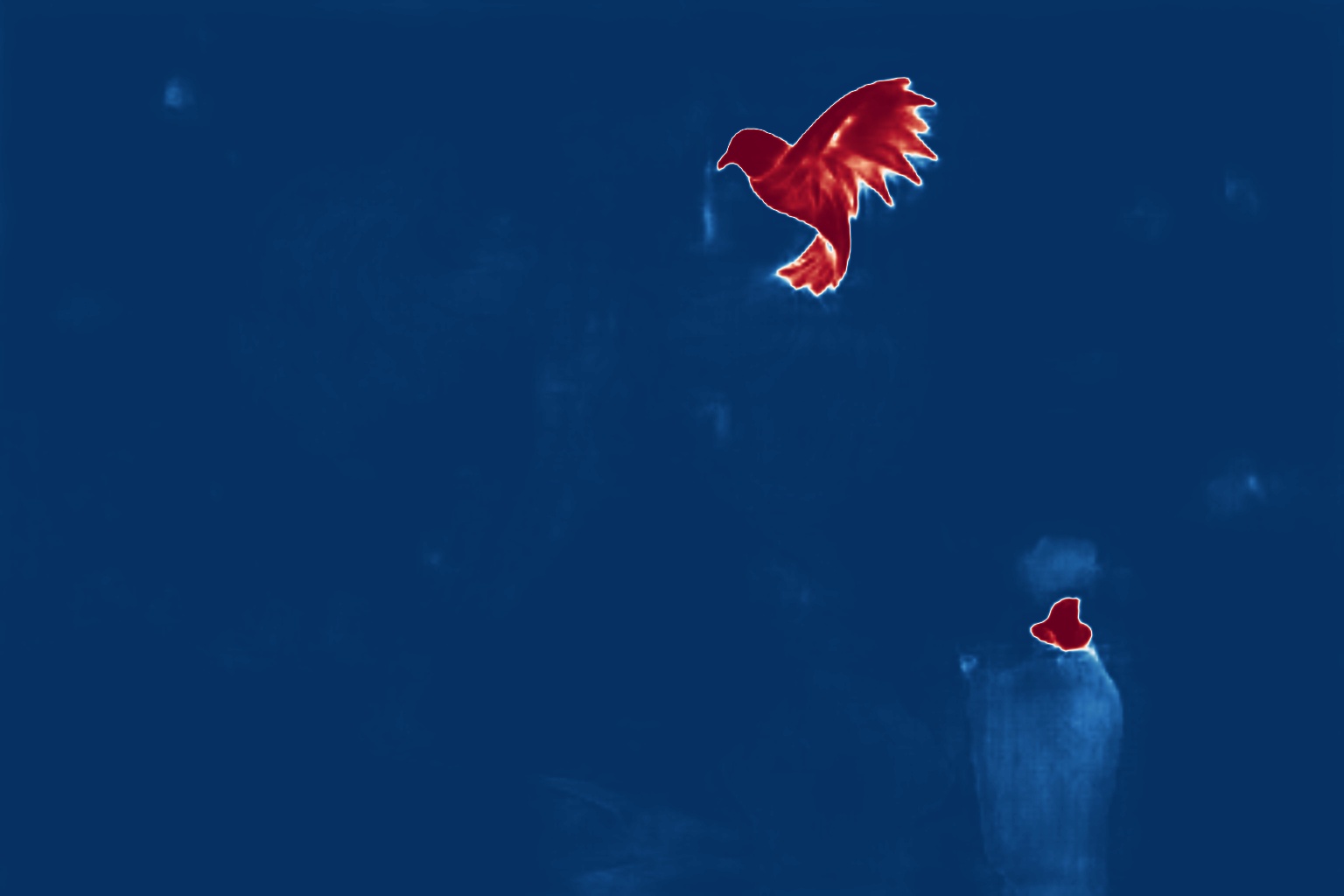
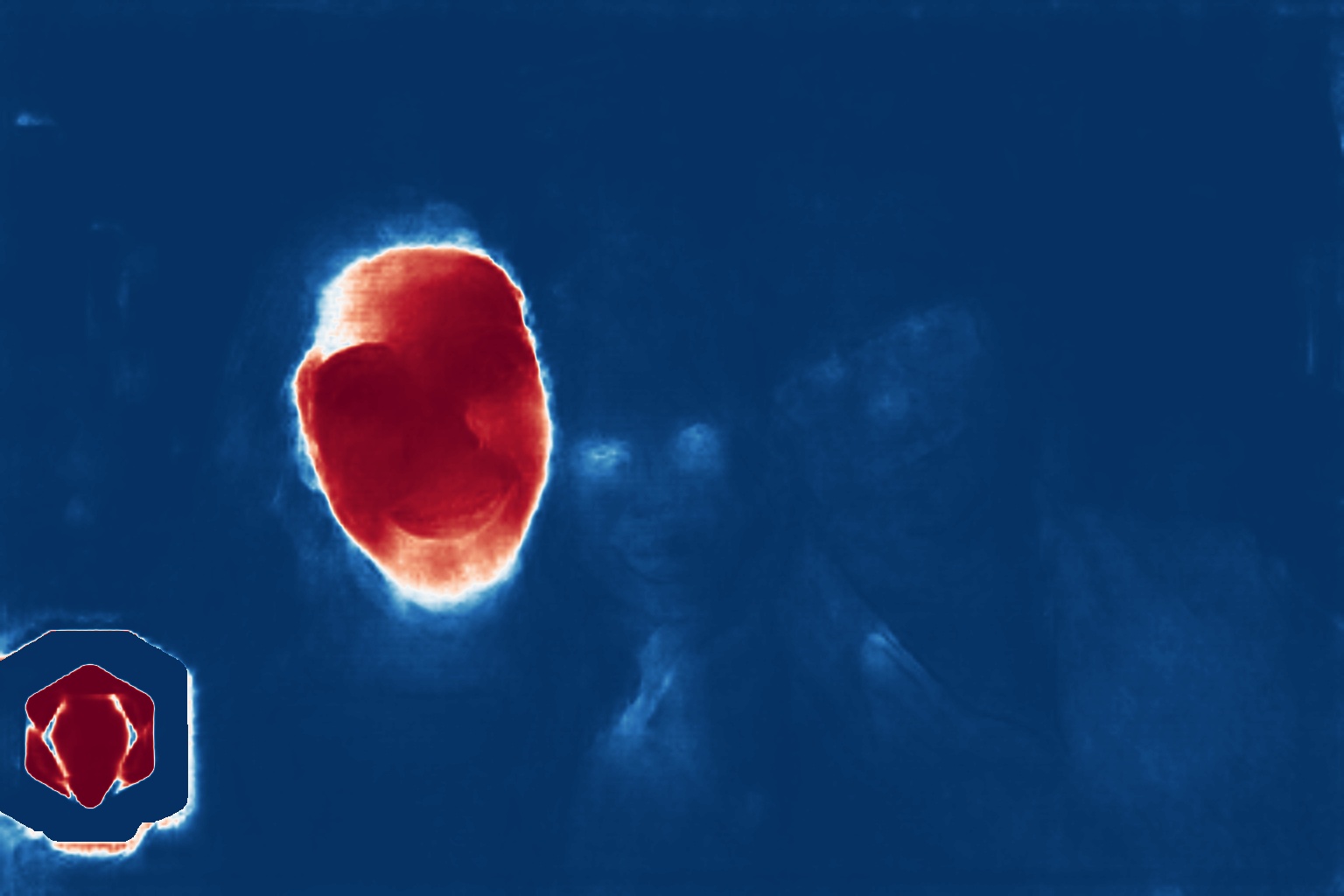
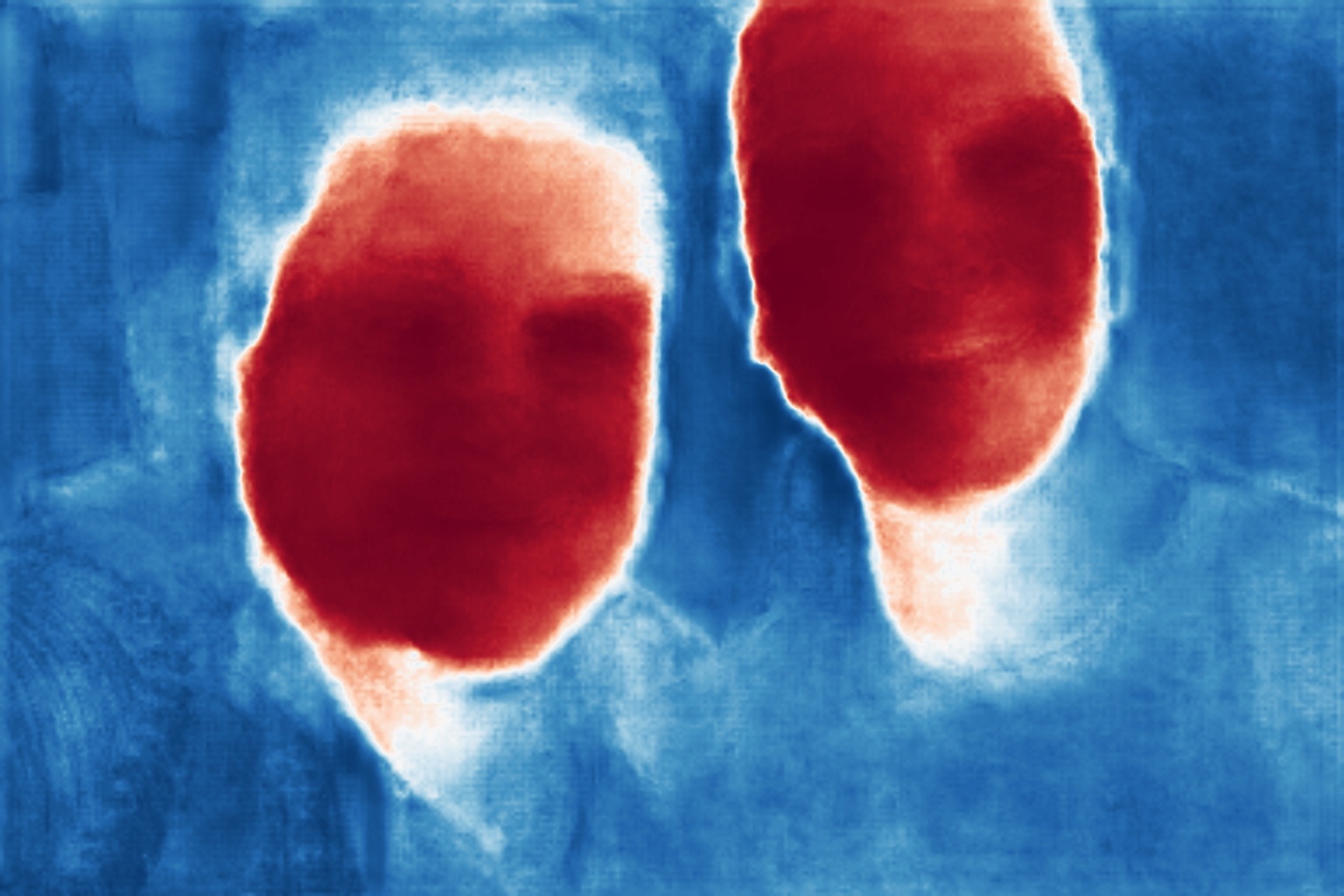
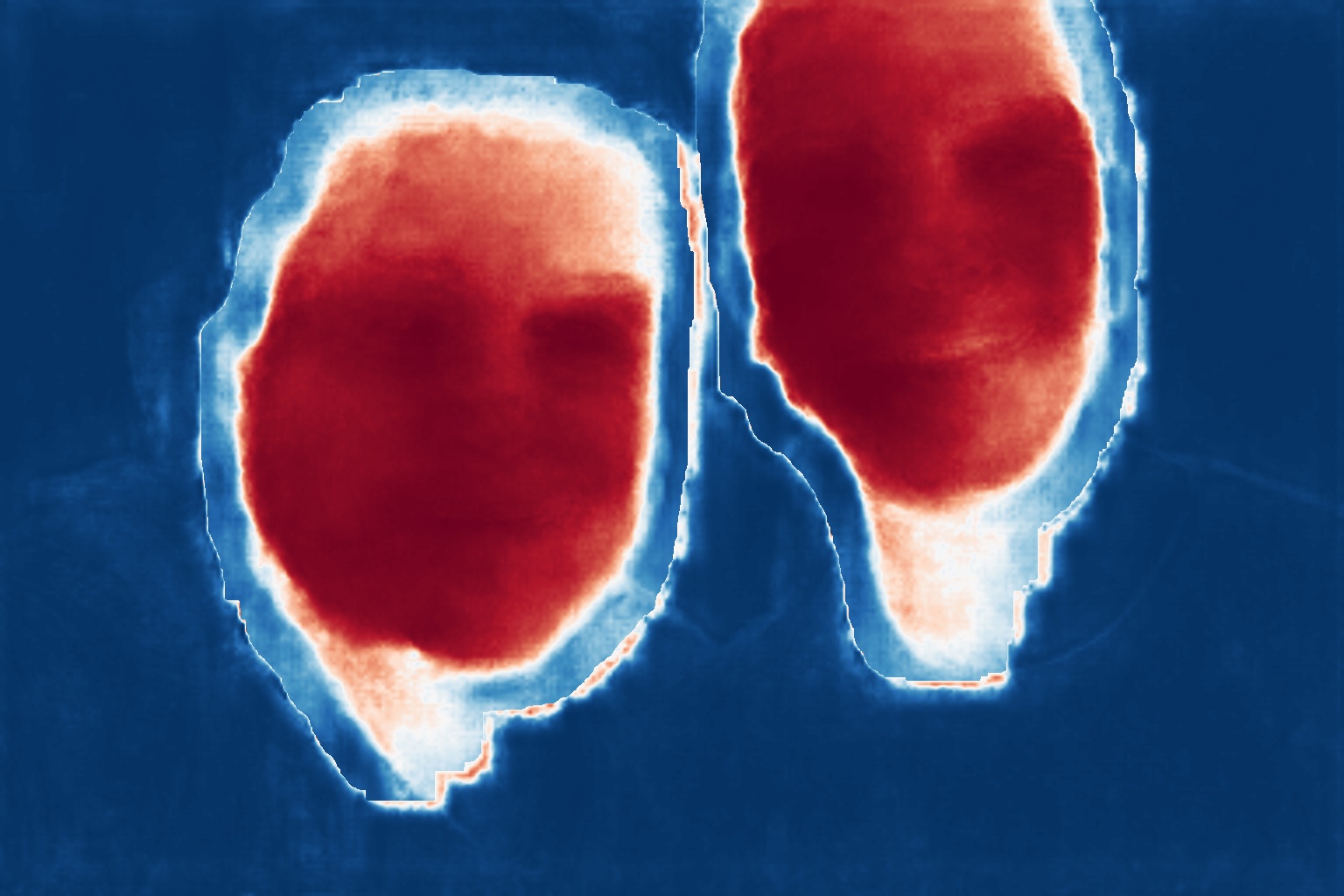
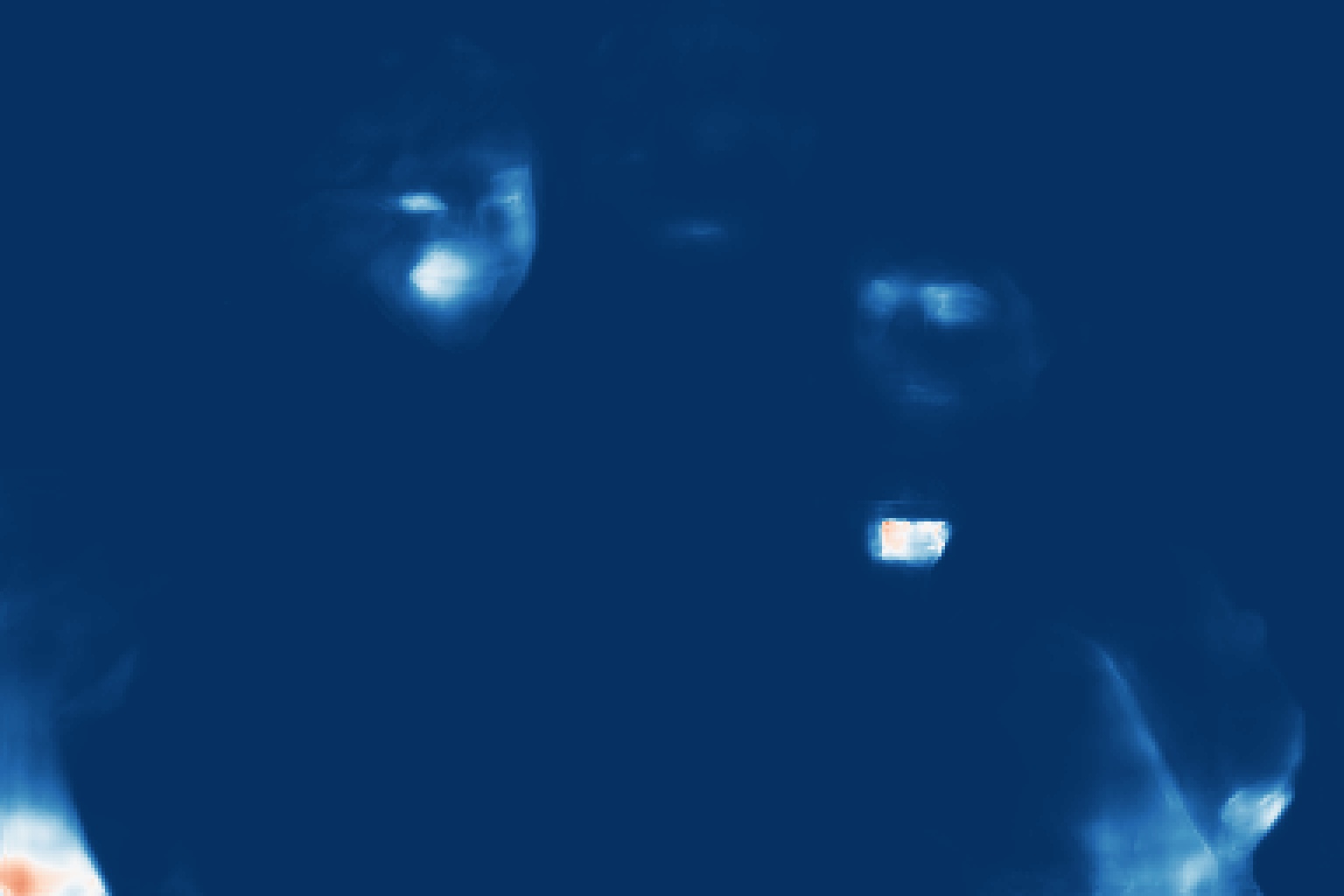
TruFor no distraction
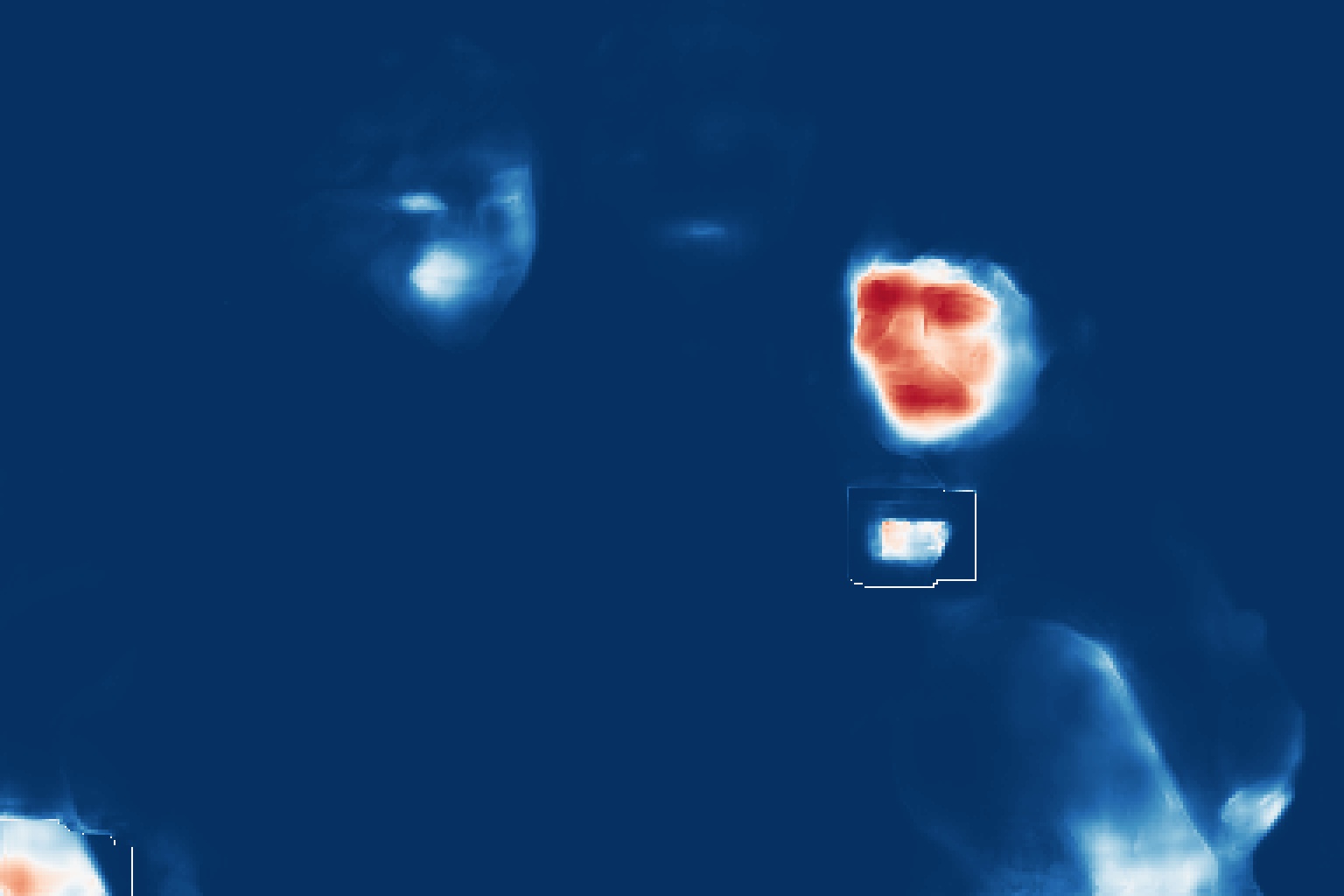
(c) TruFor (no distraction)
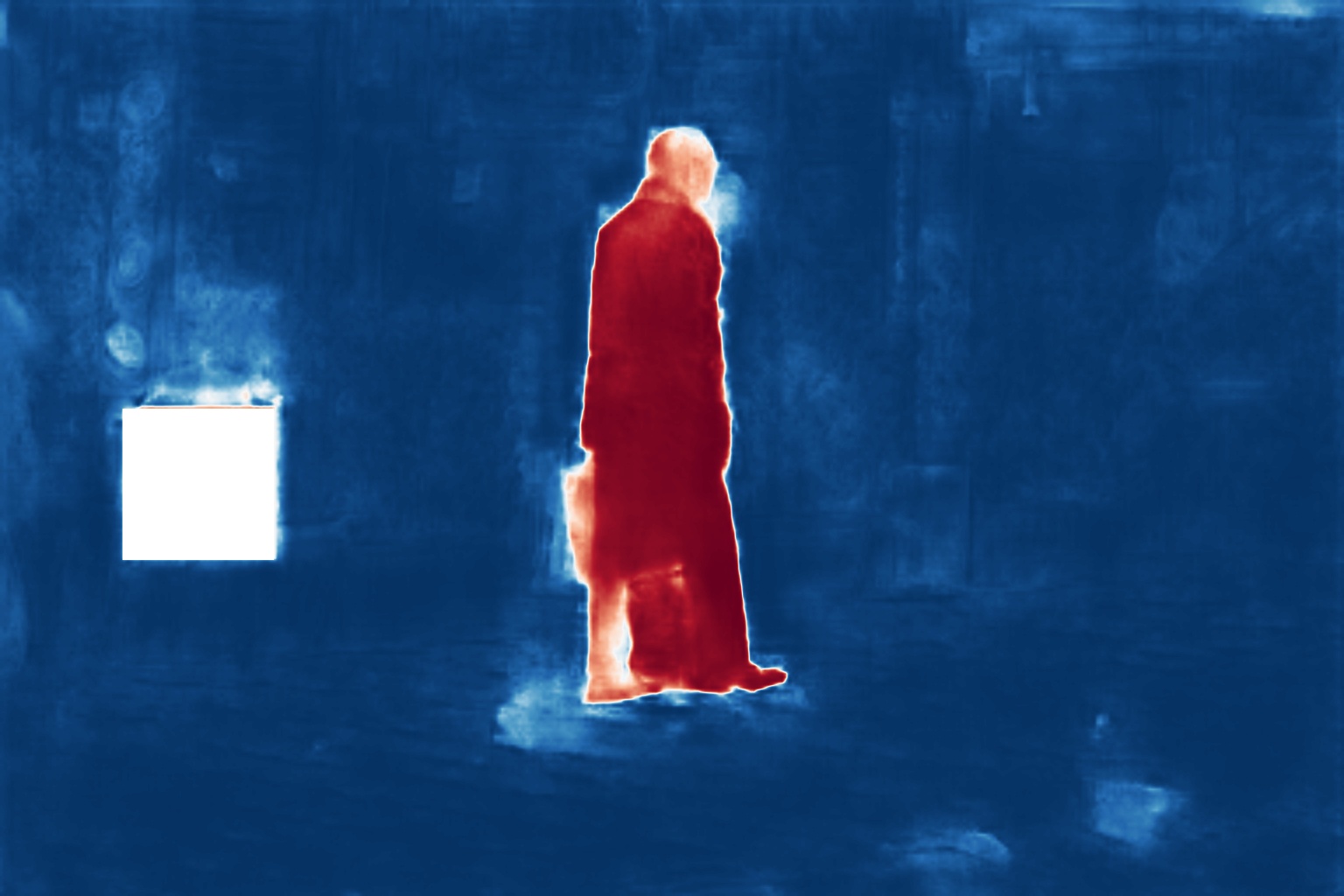
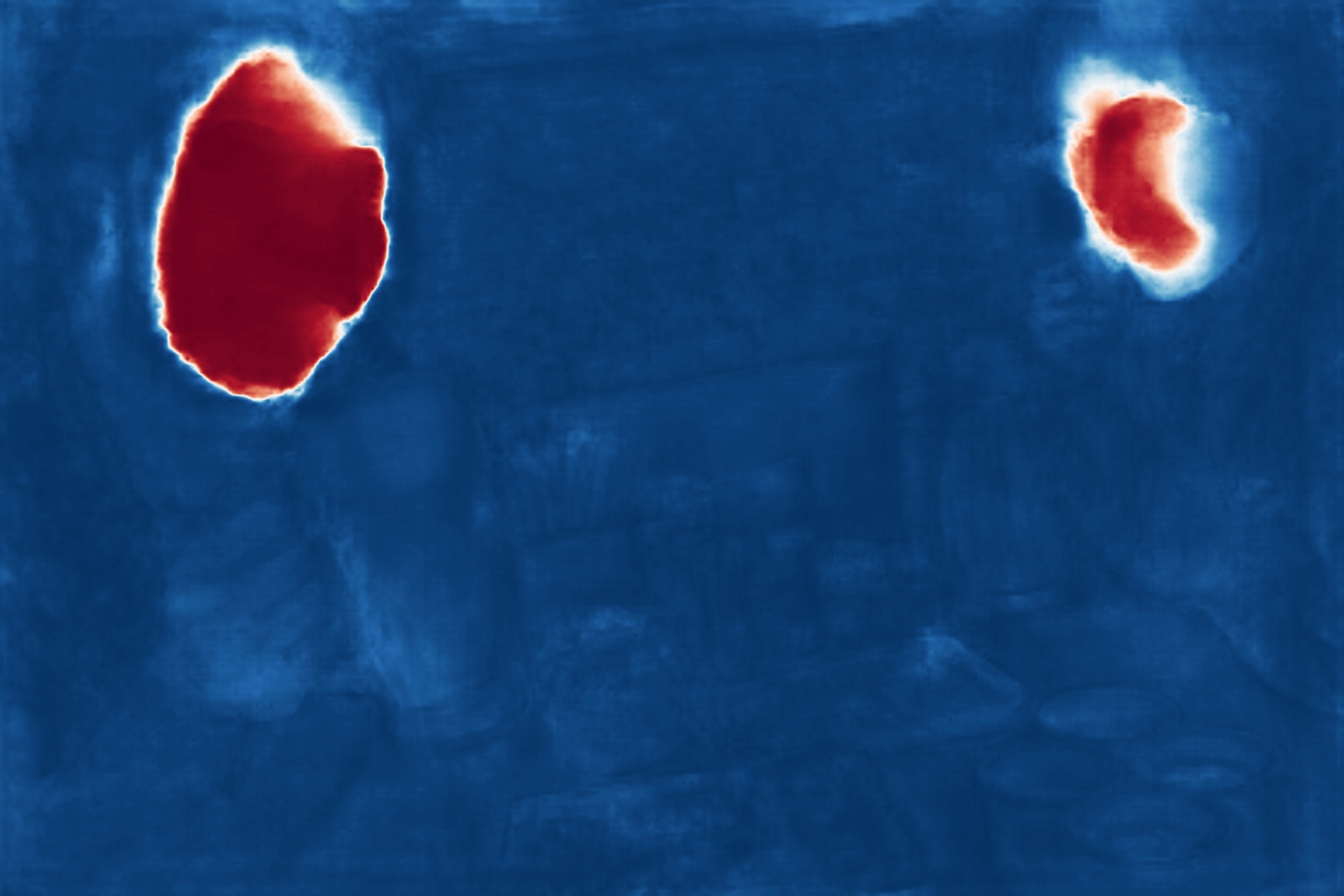
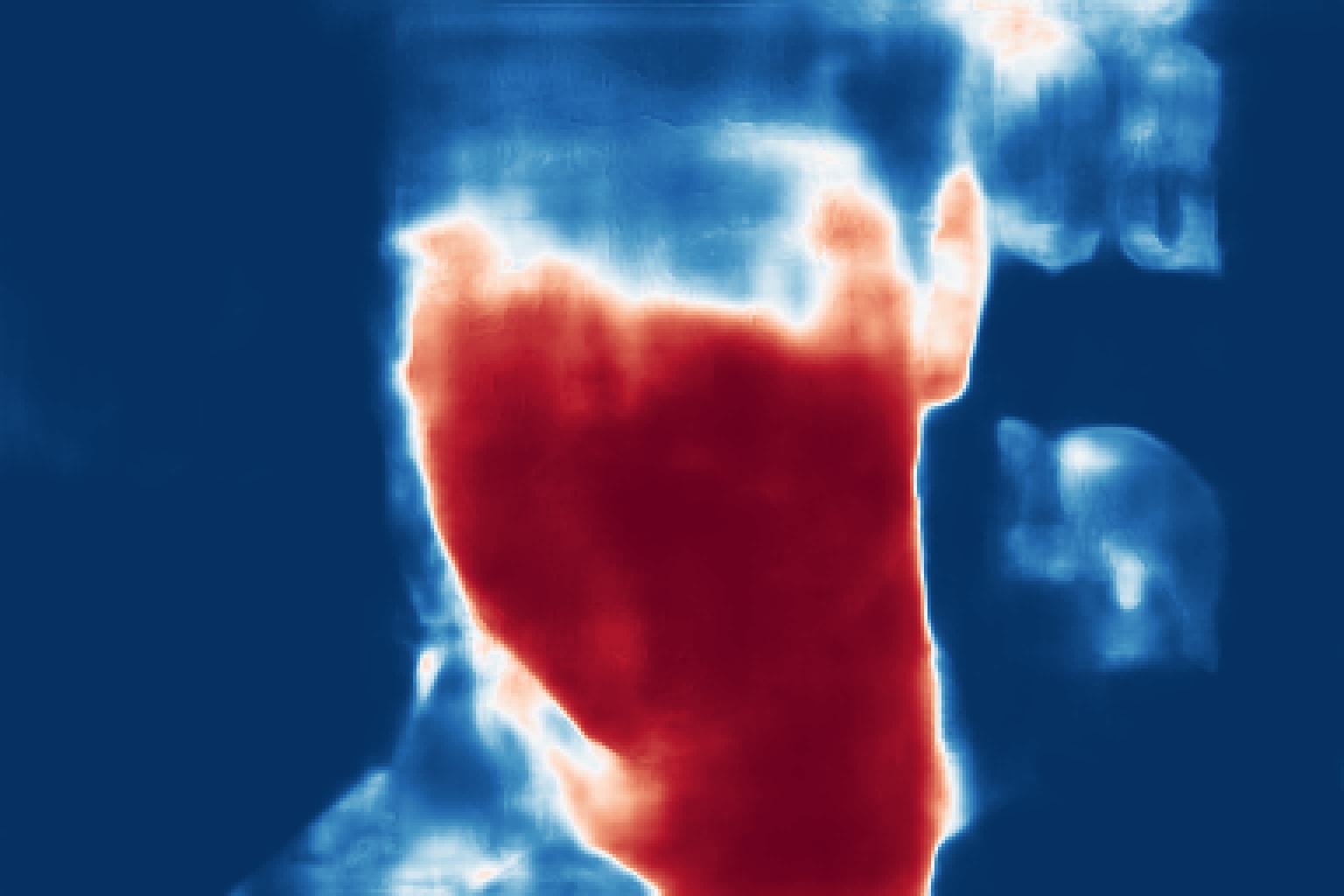
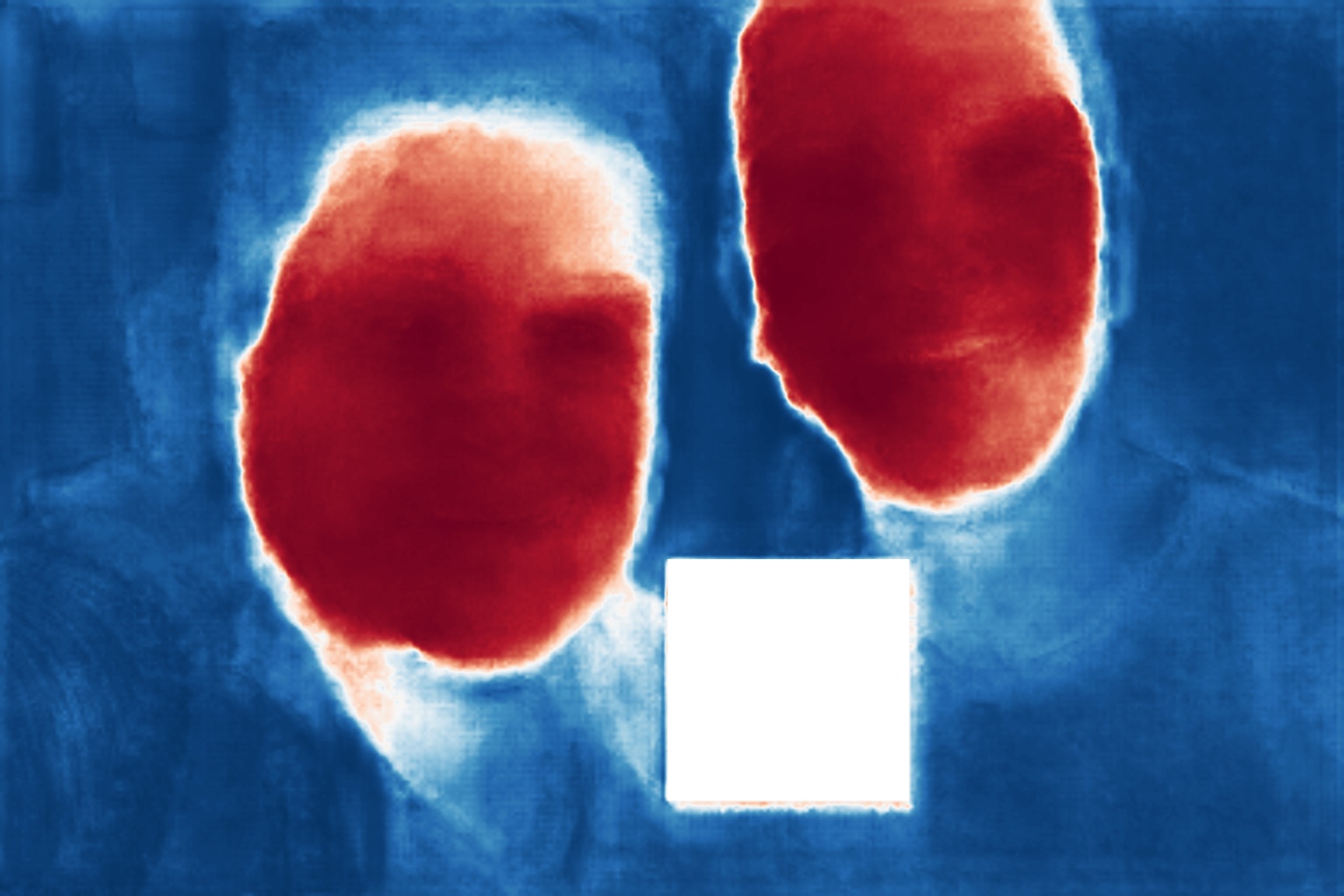
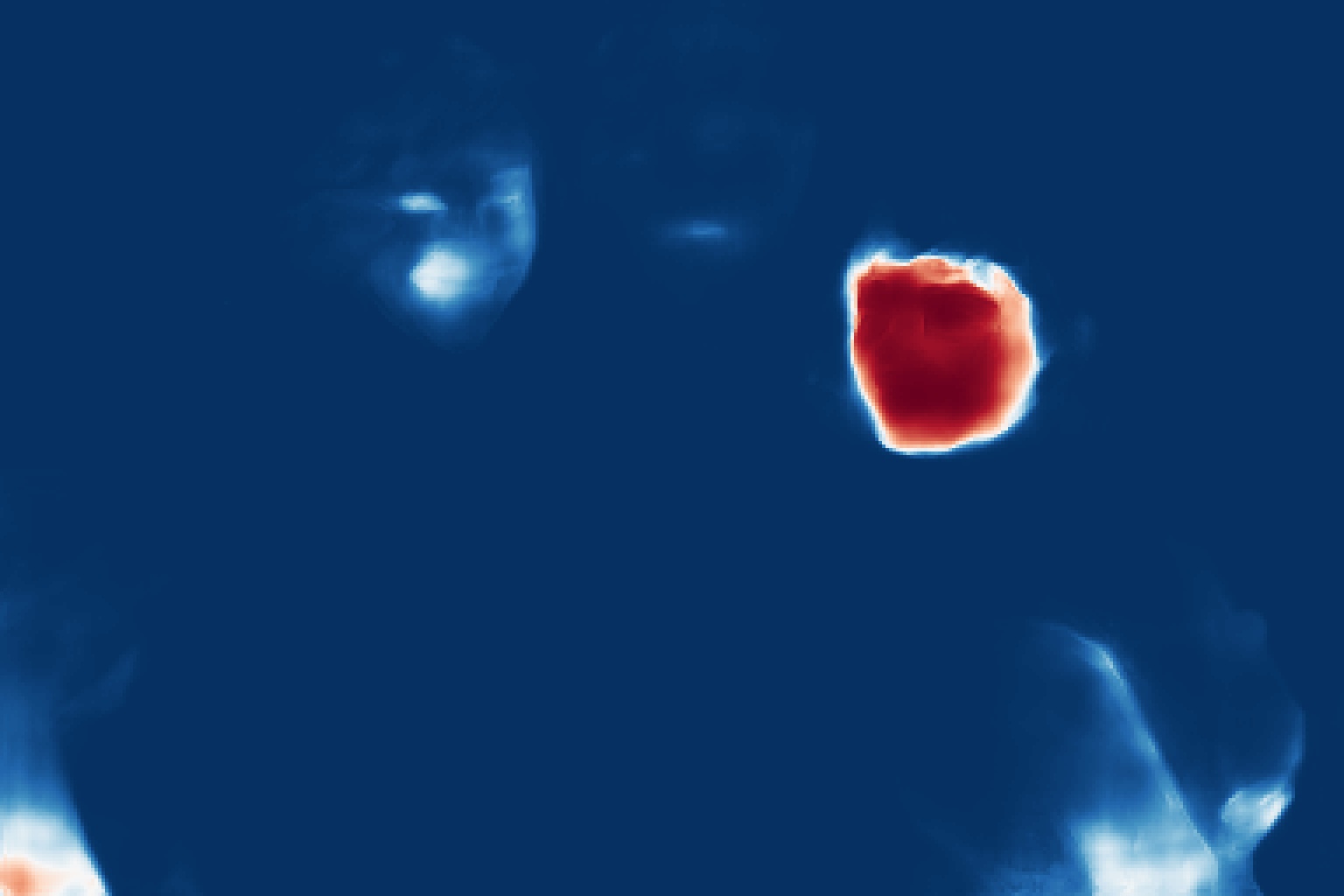
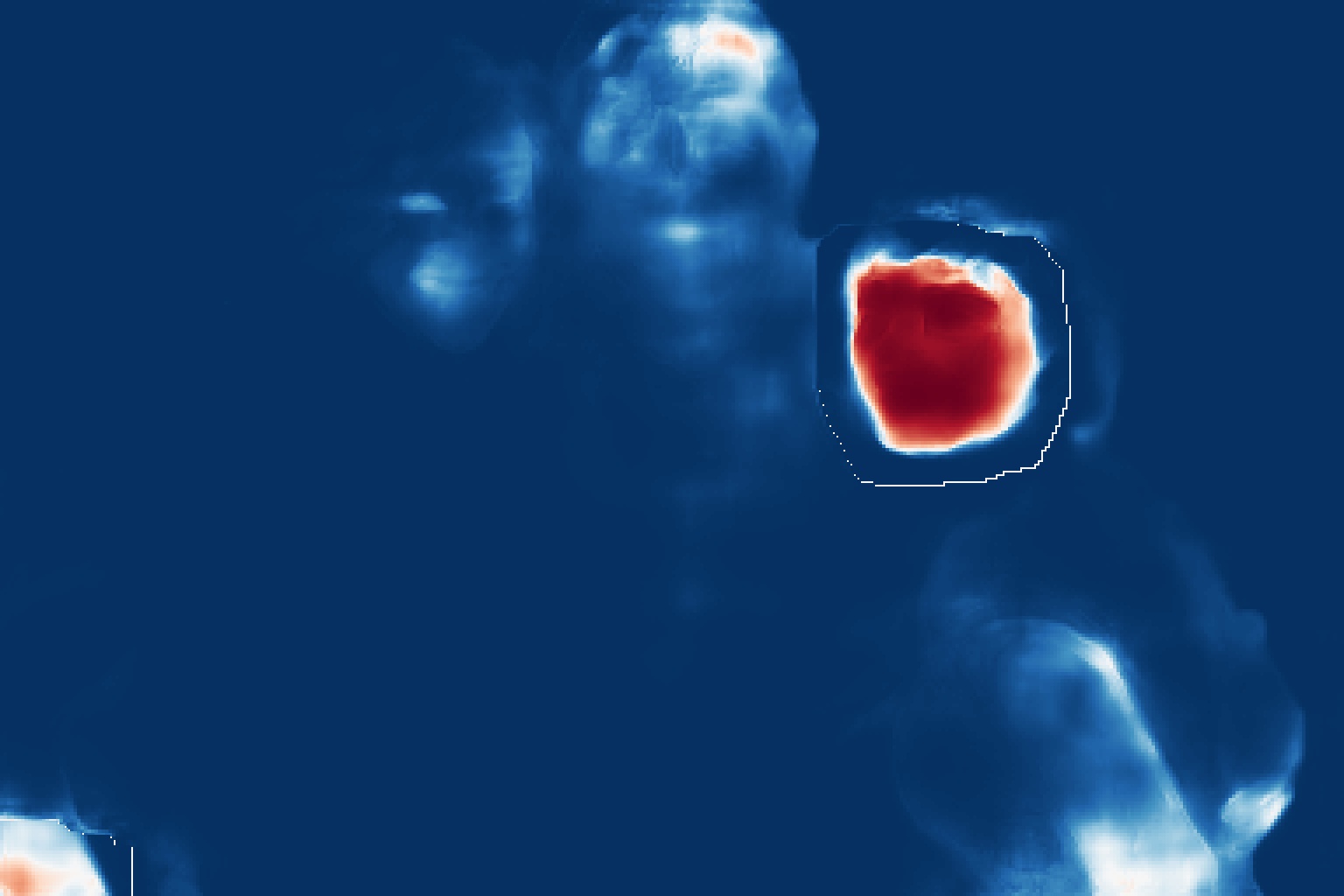
TruFor with distraction
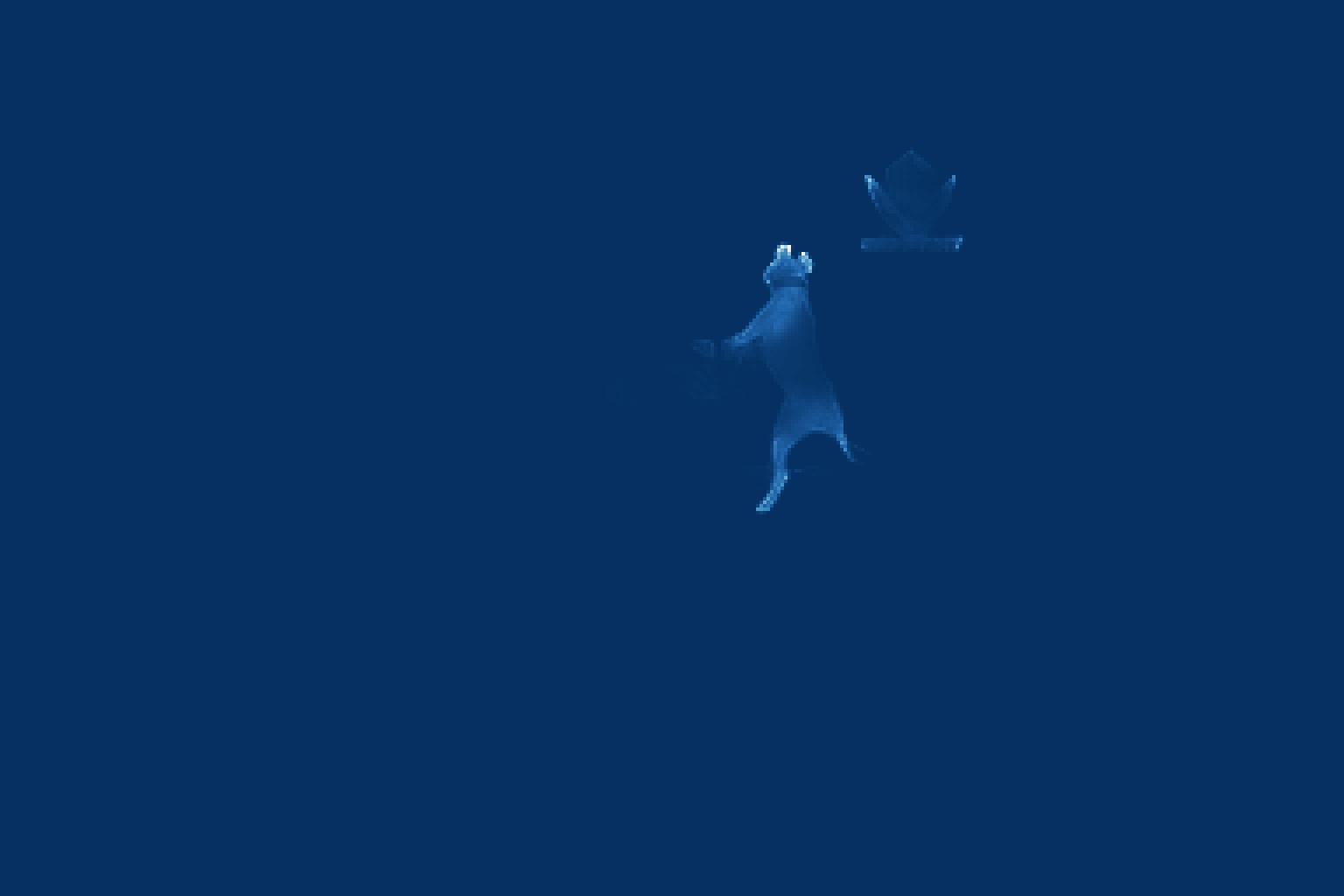
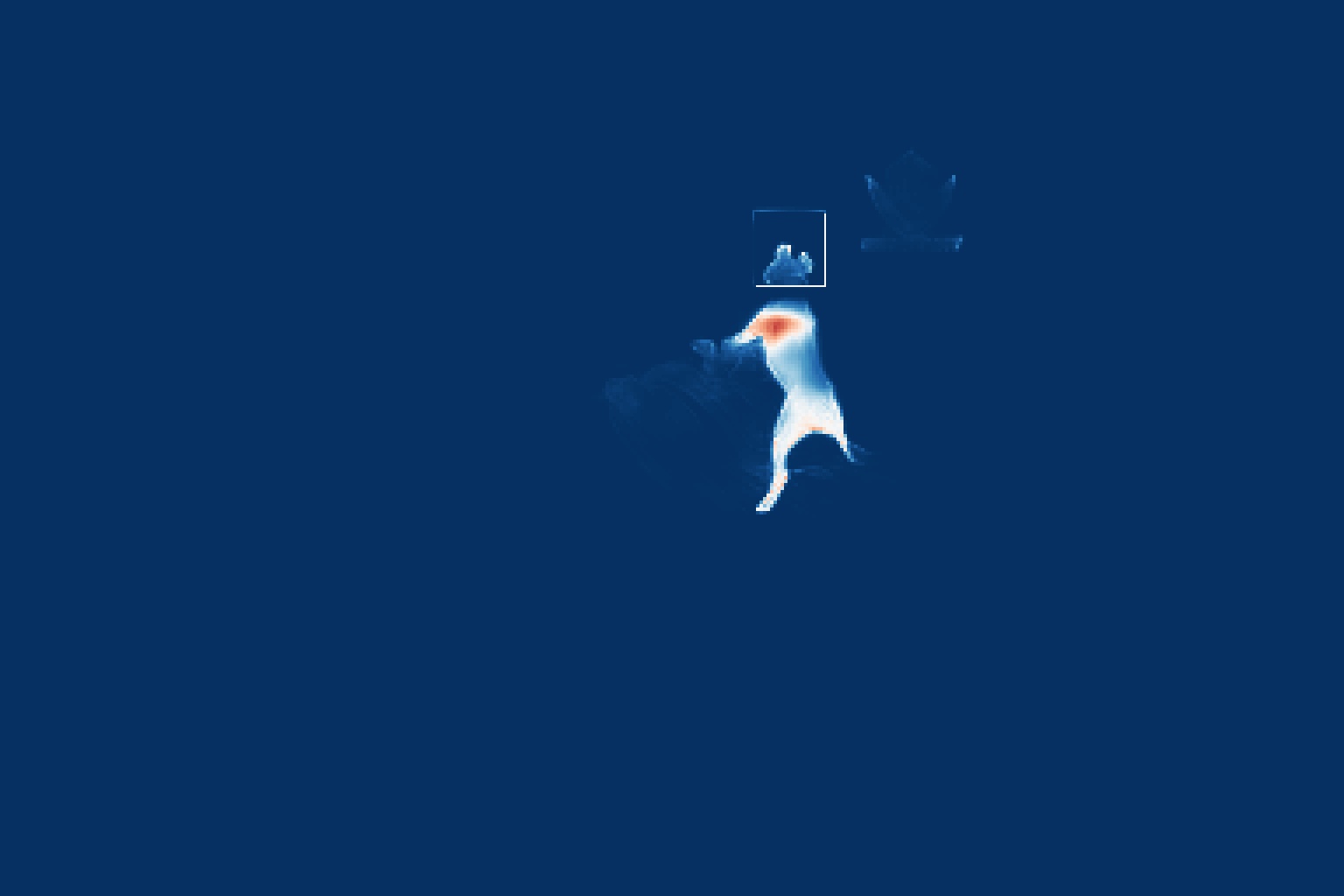
(d) TruFor (with distraction, fails)
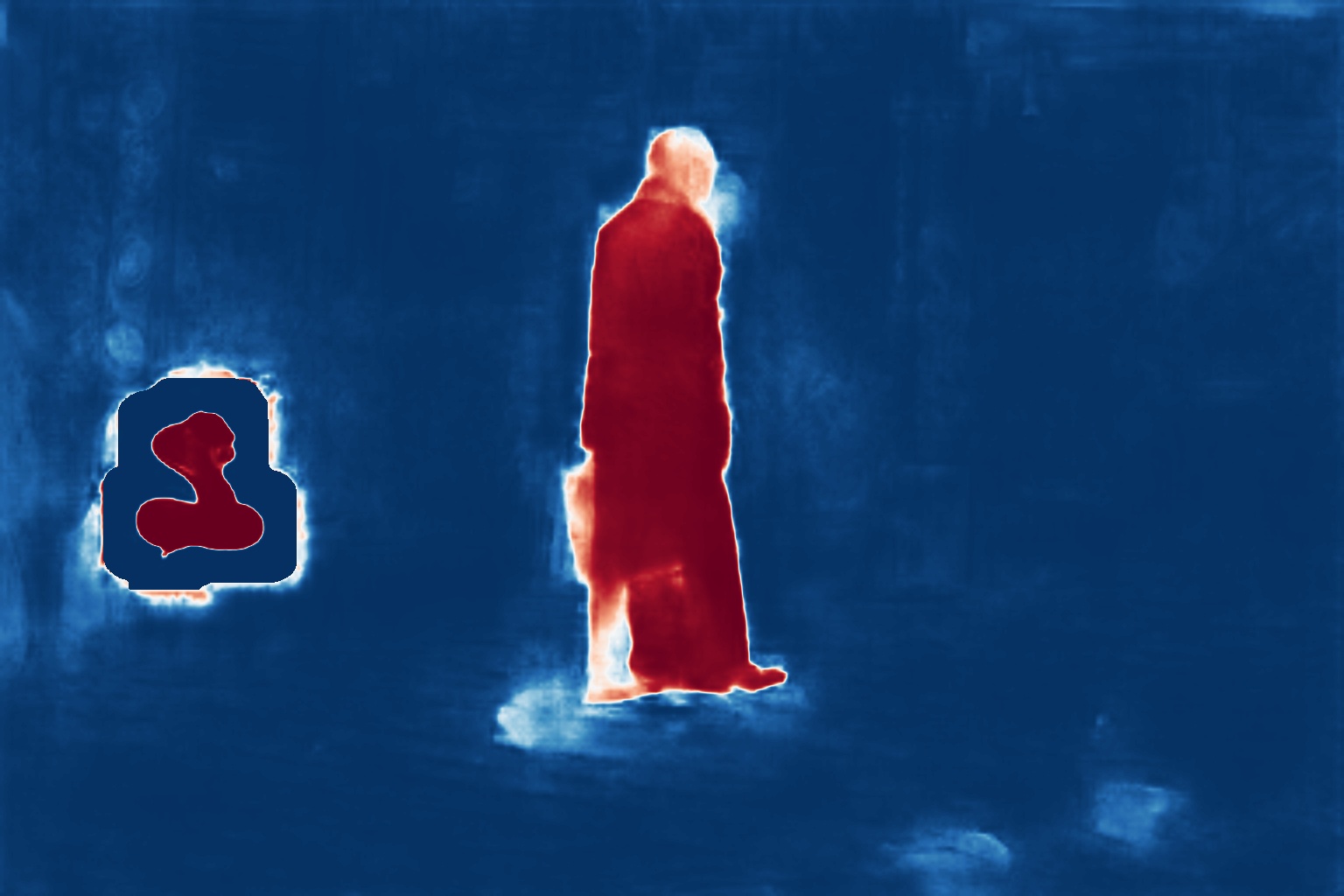
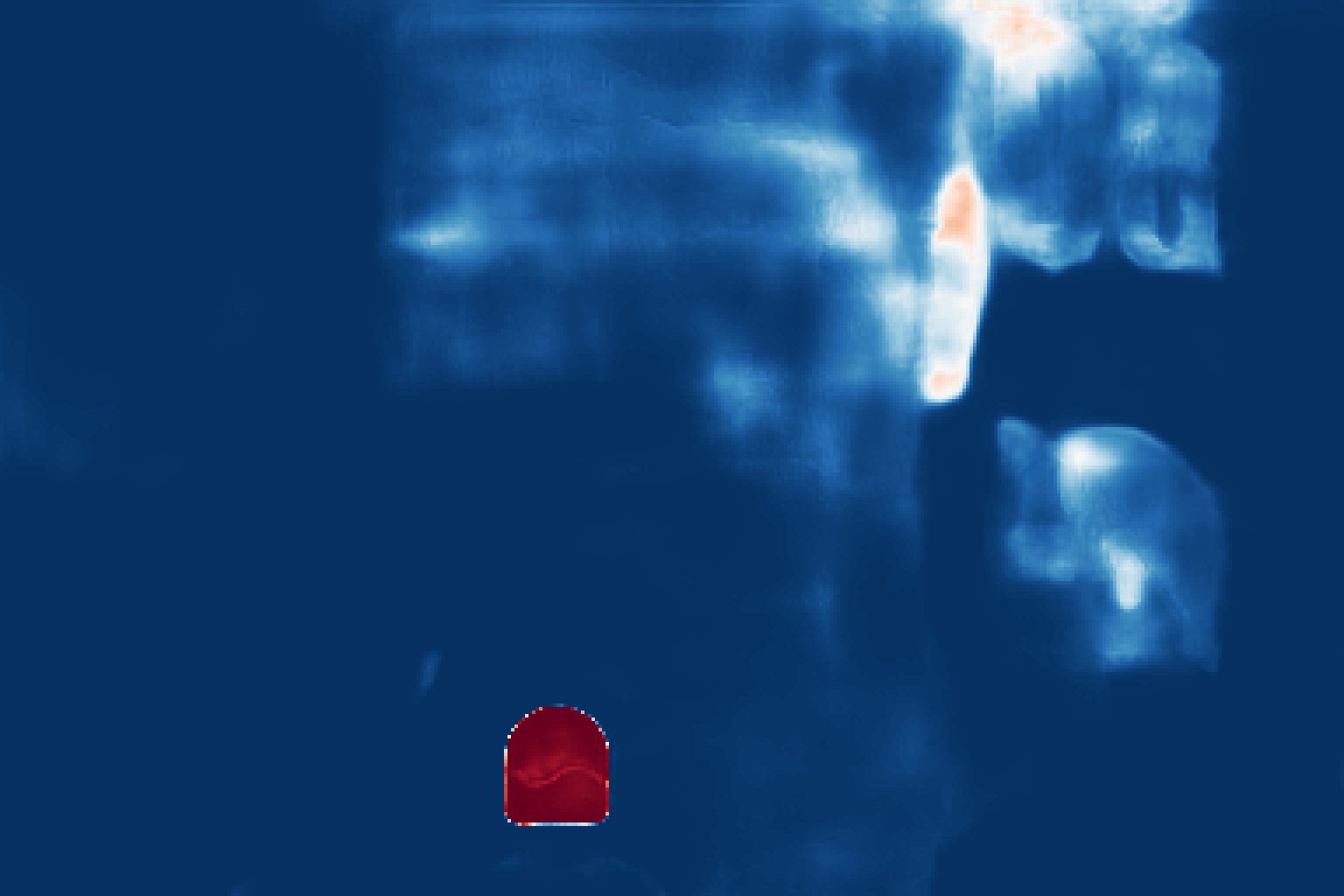
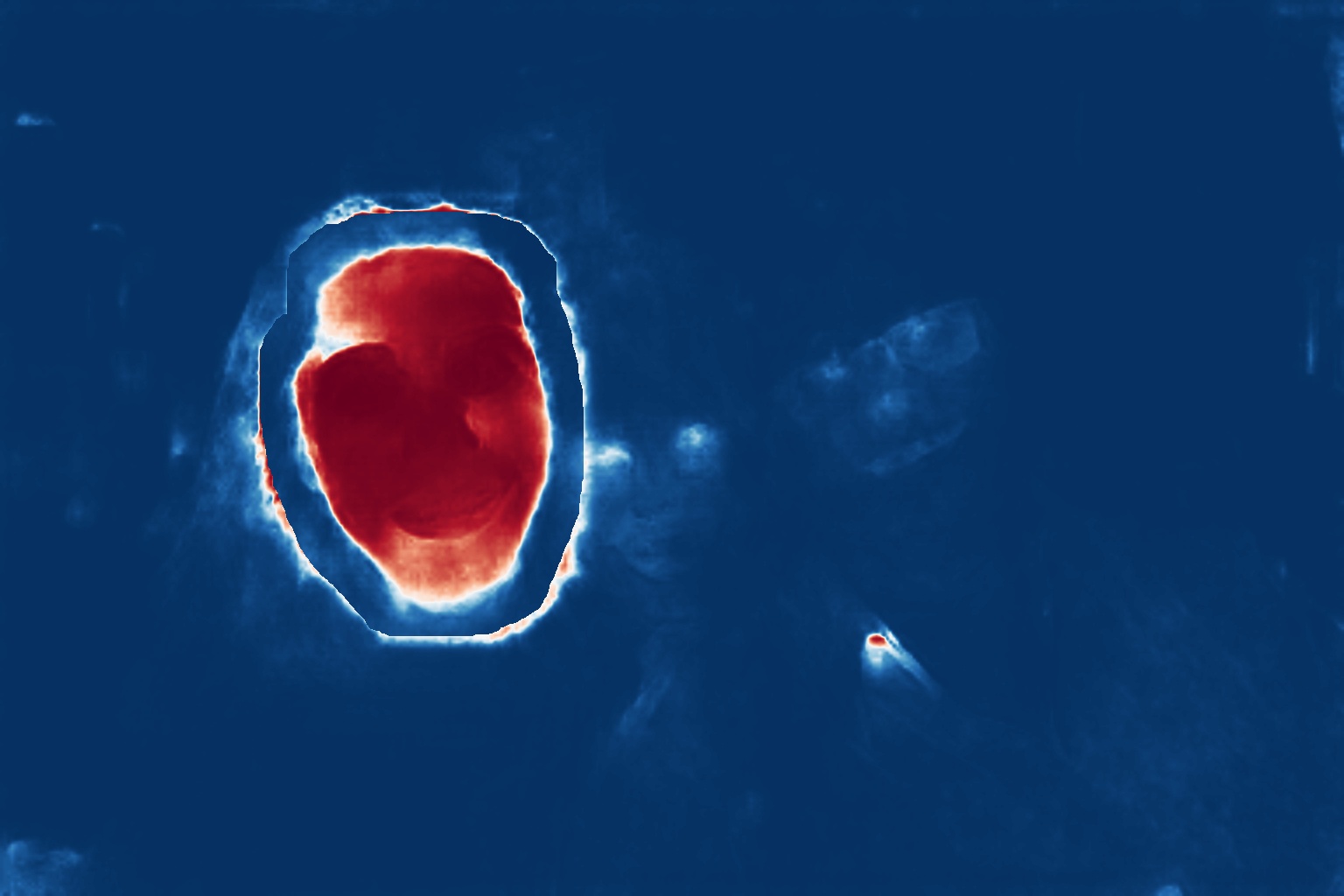
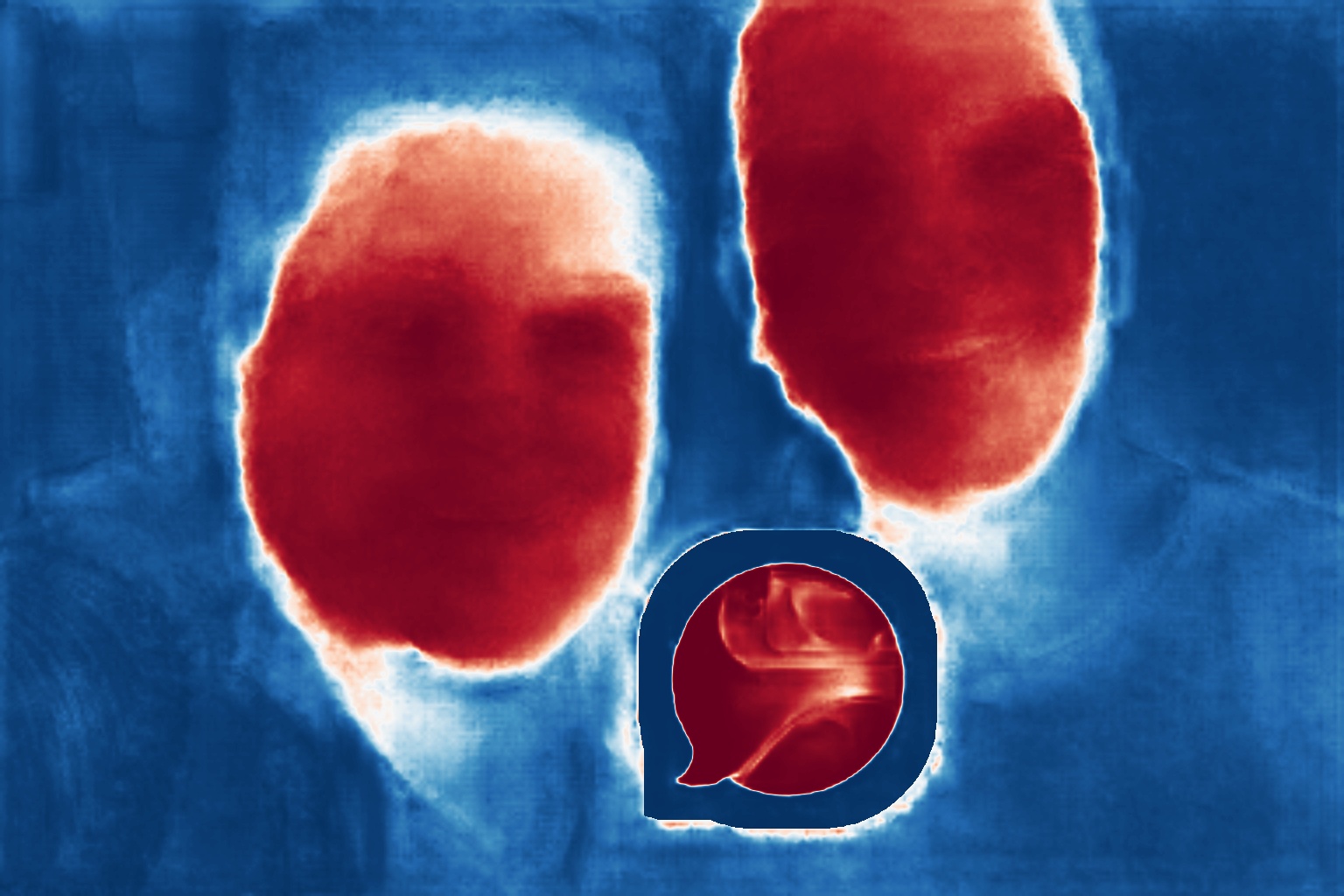
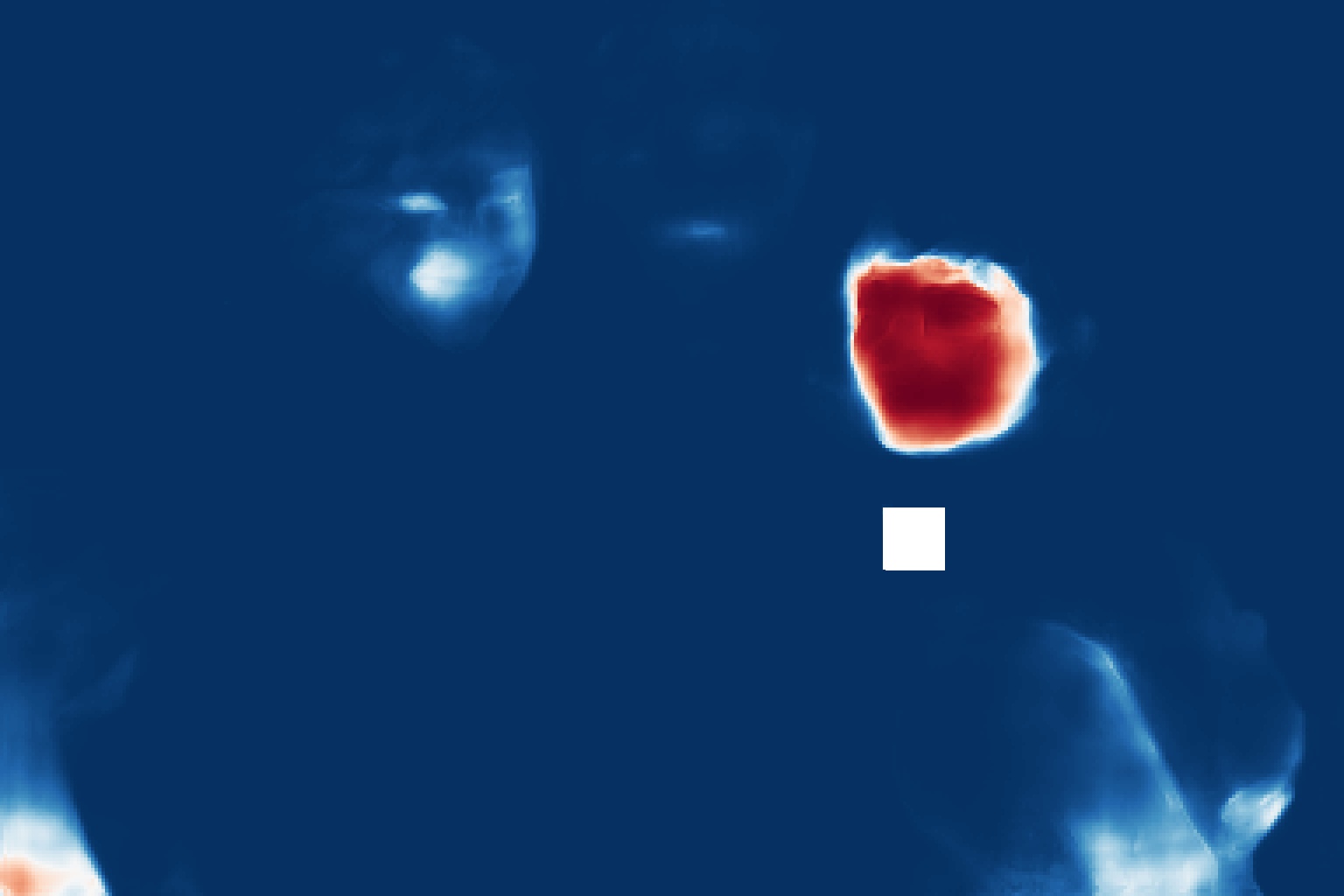
Manual masking result
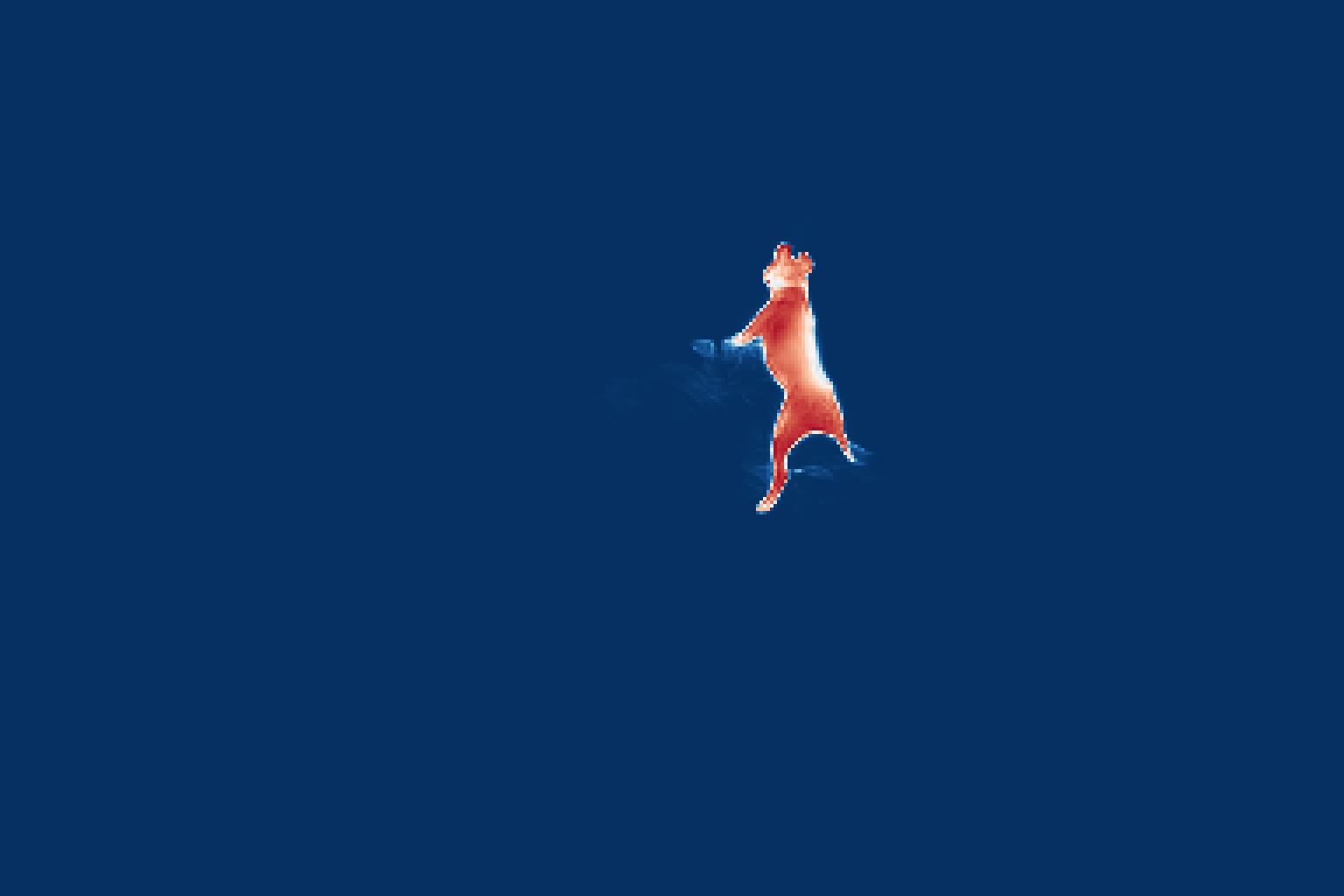
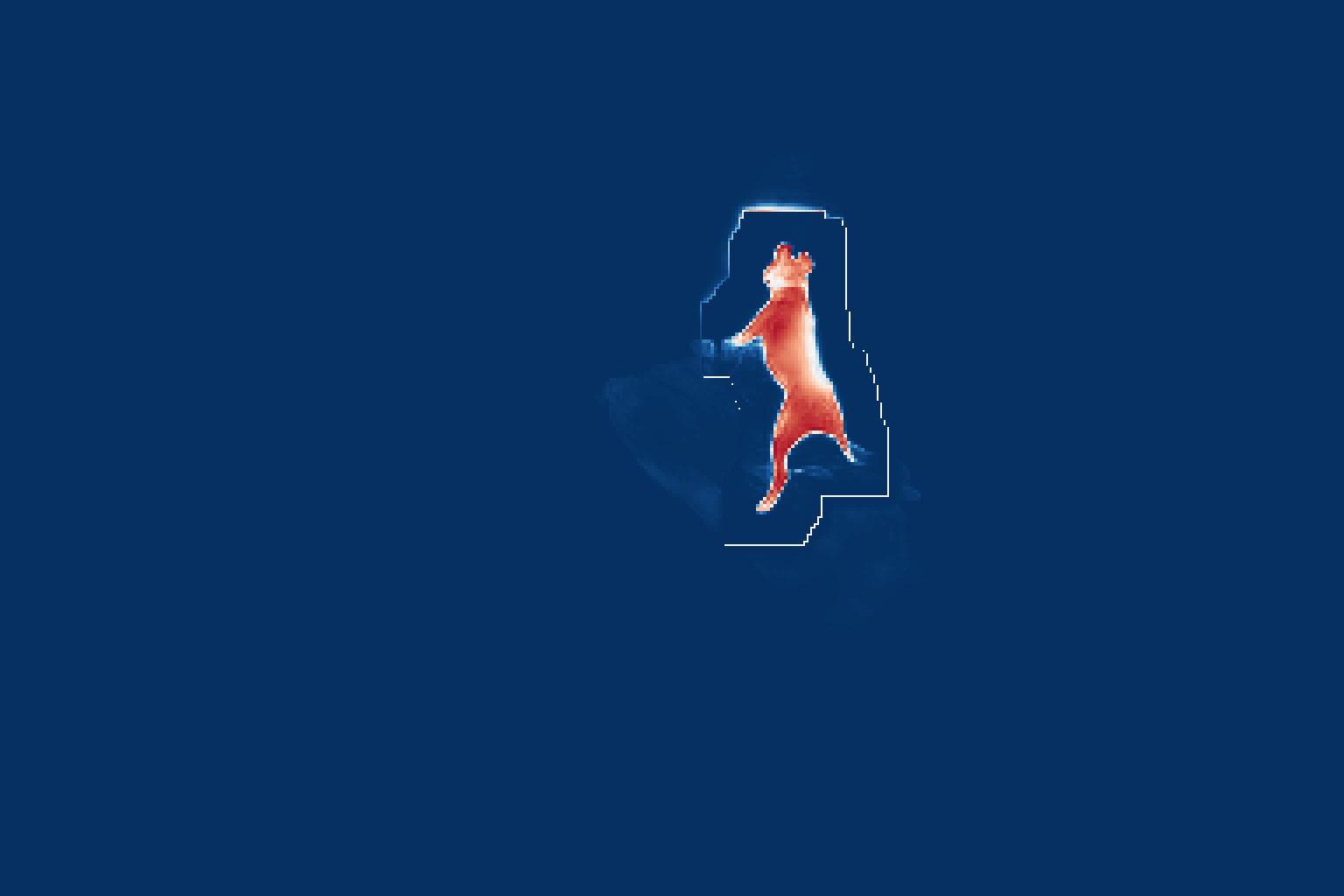
(e) Ours, manual masking
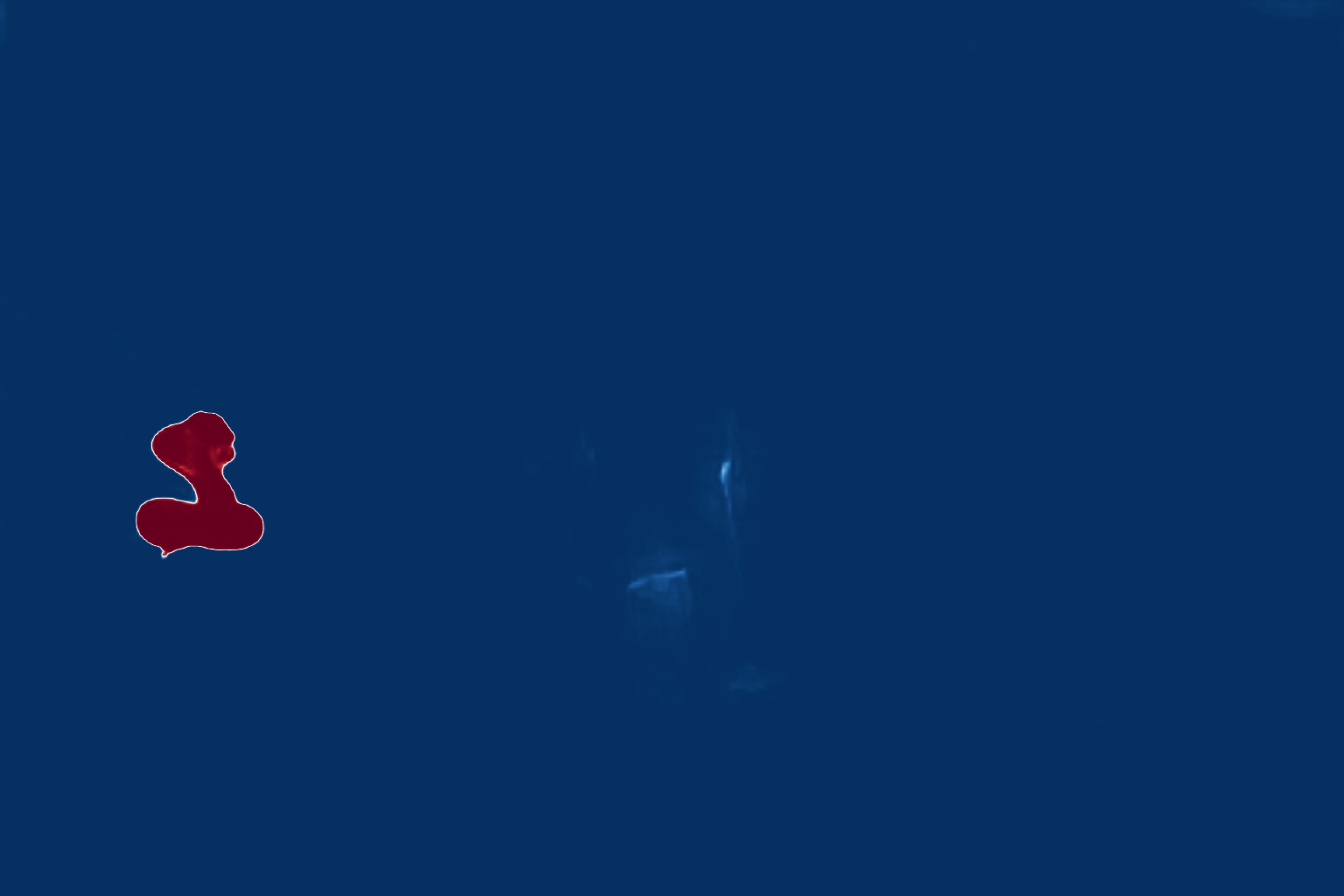
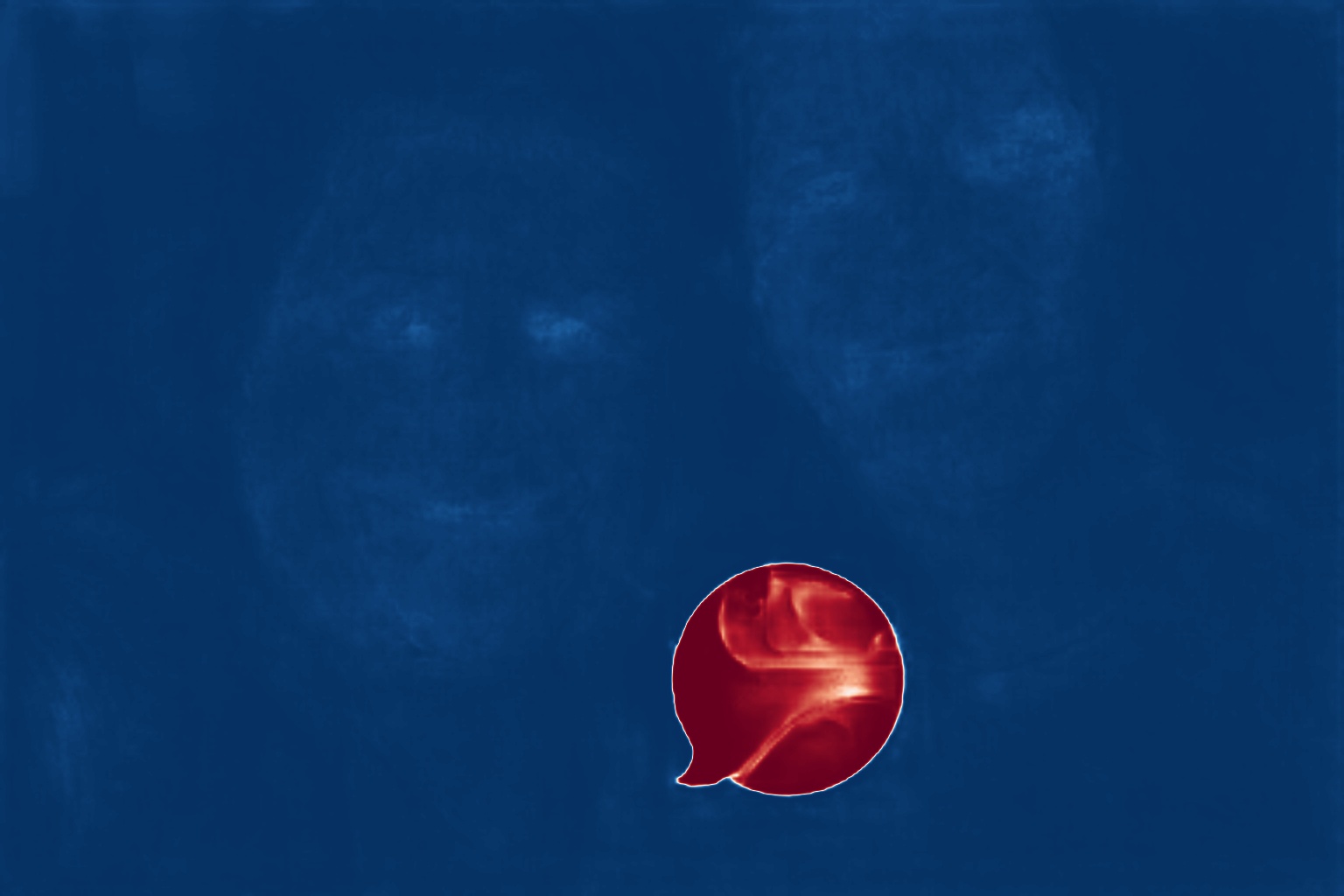
Automatic masking result
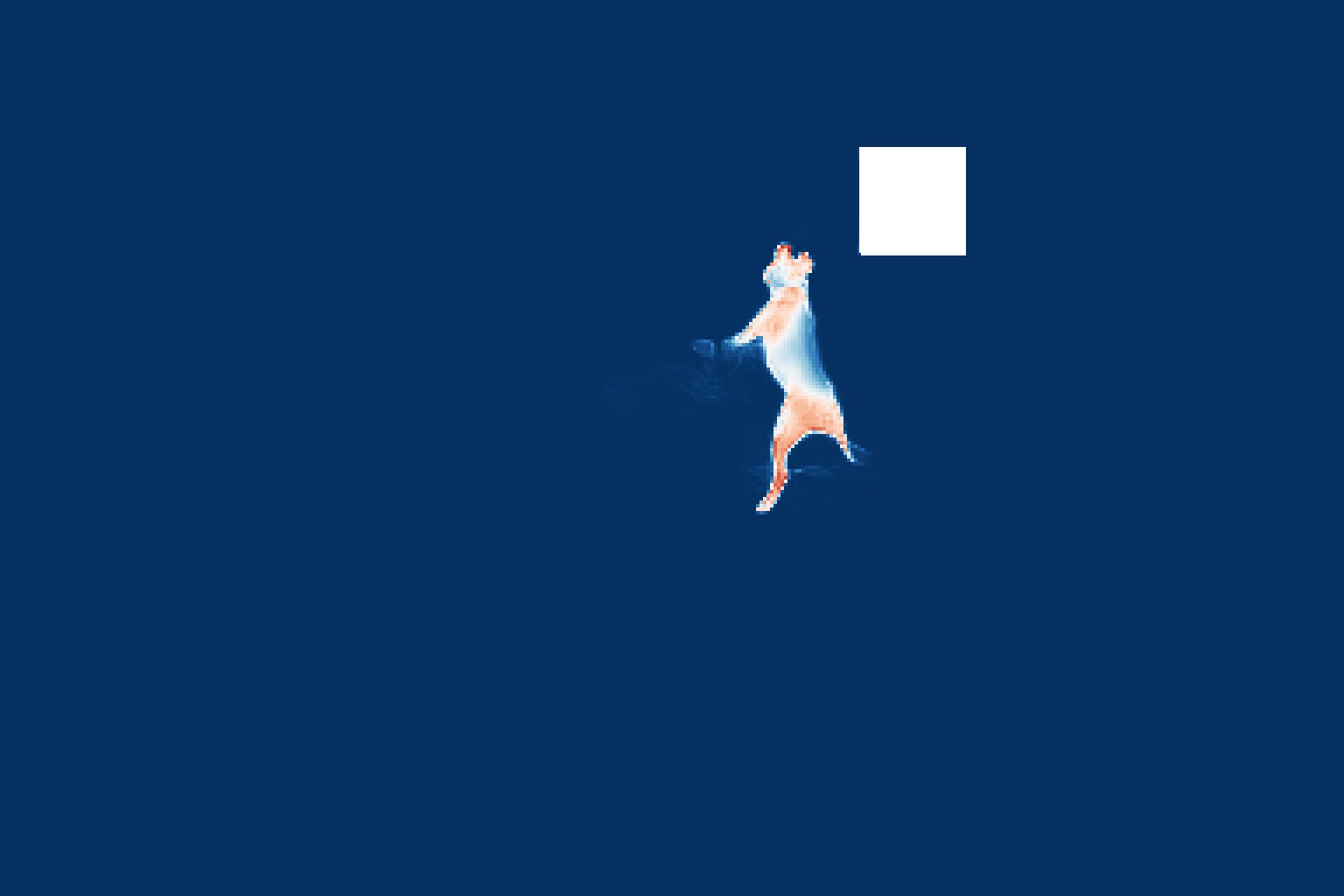
(f) Ours, automatic masking

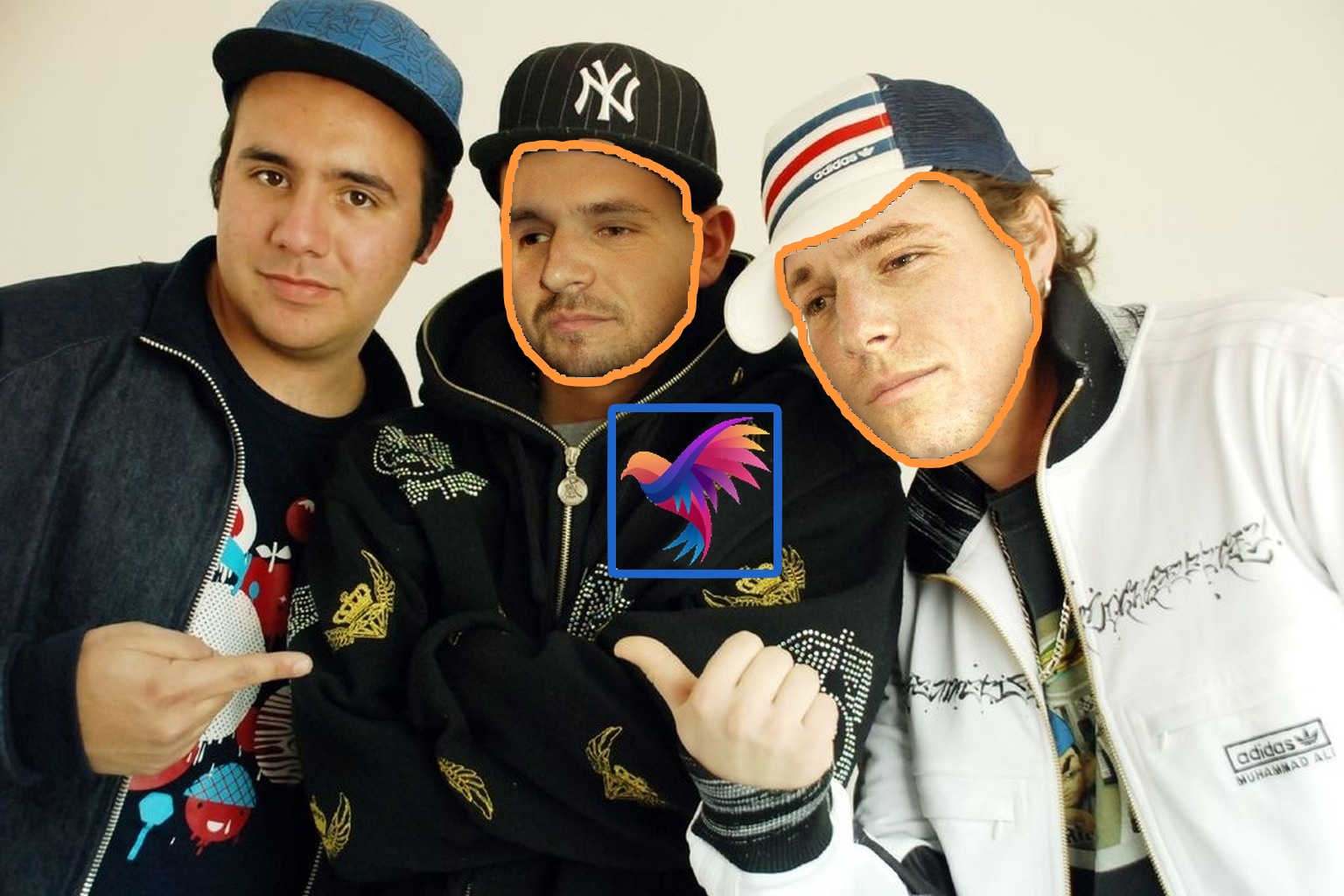
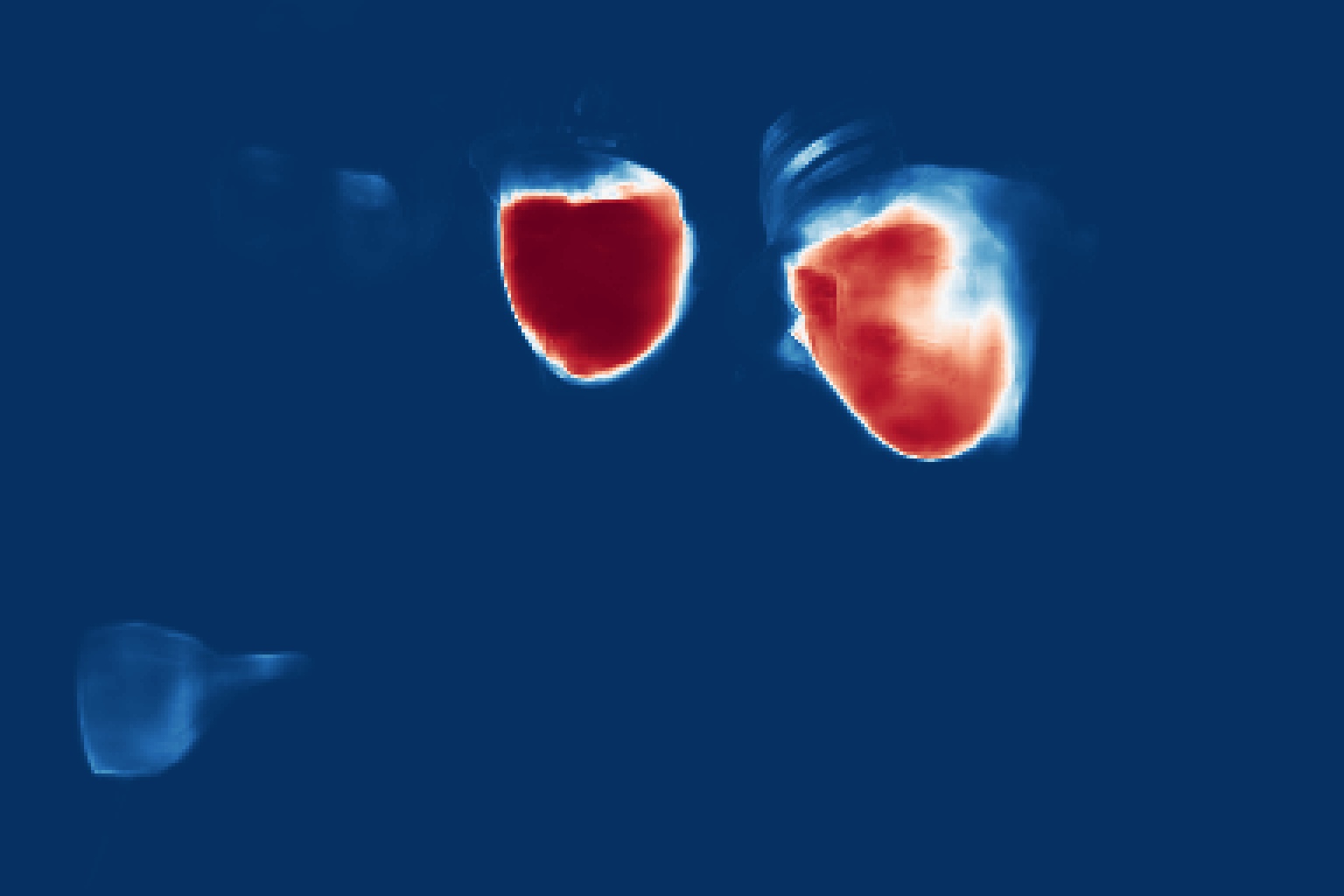
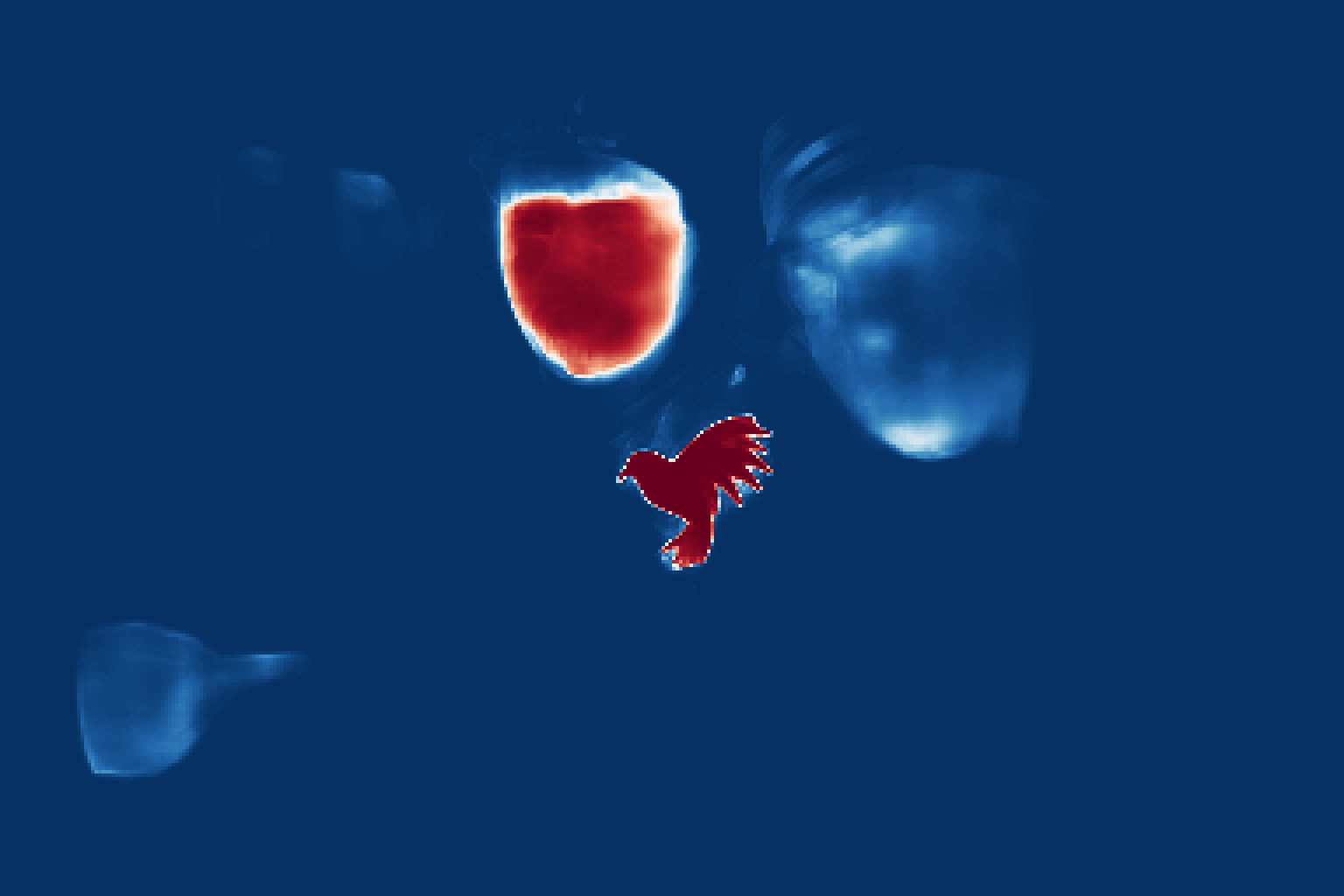
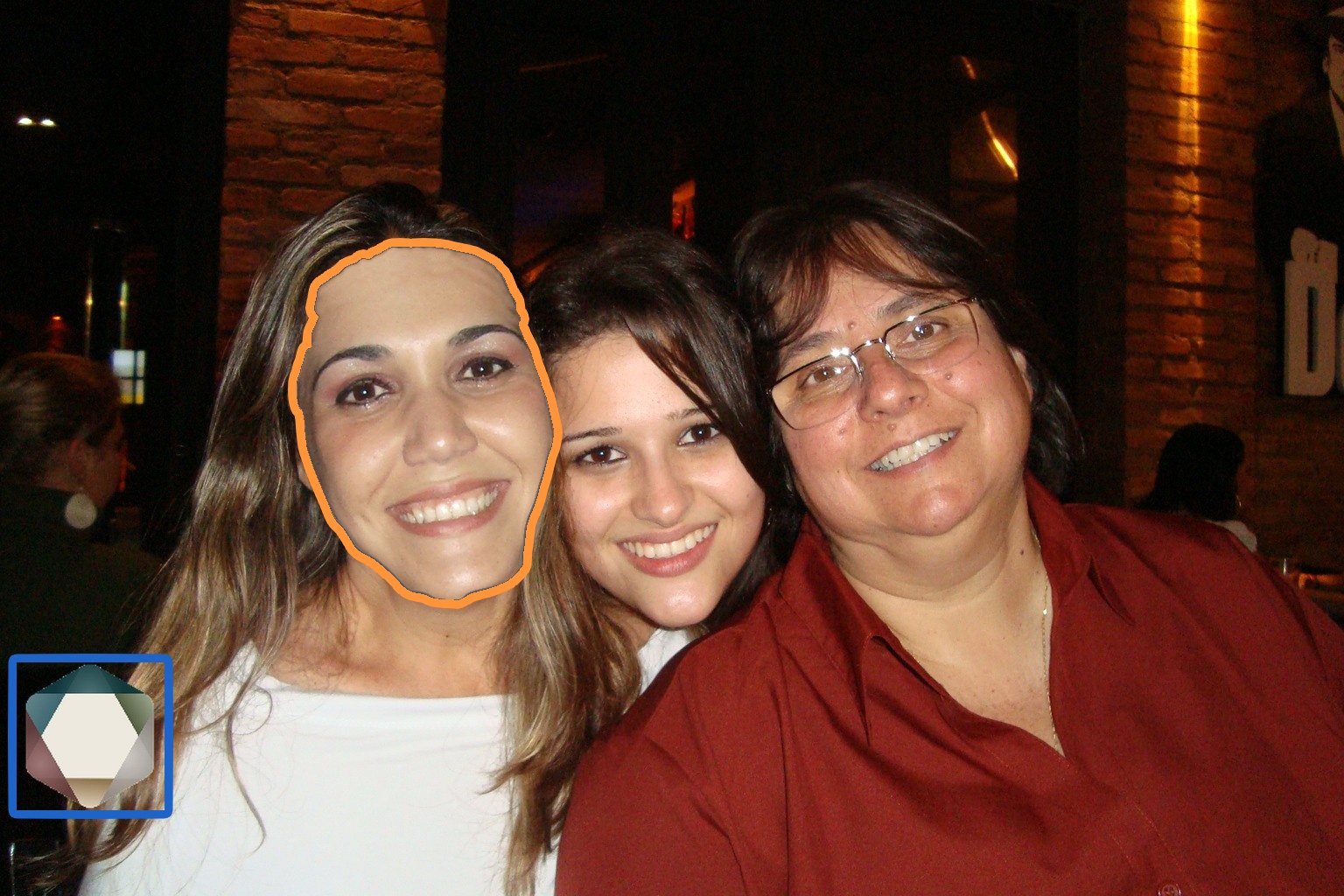
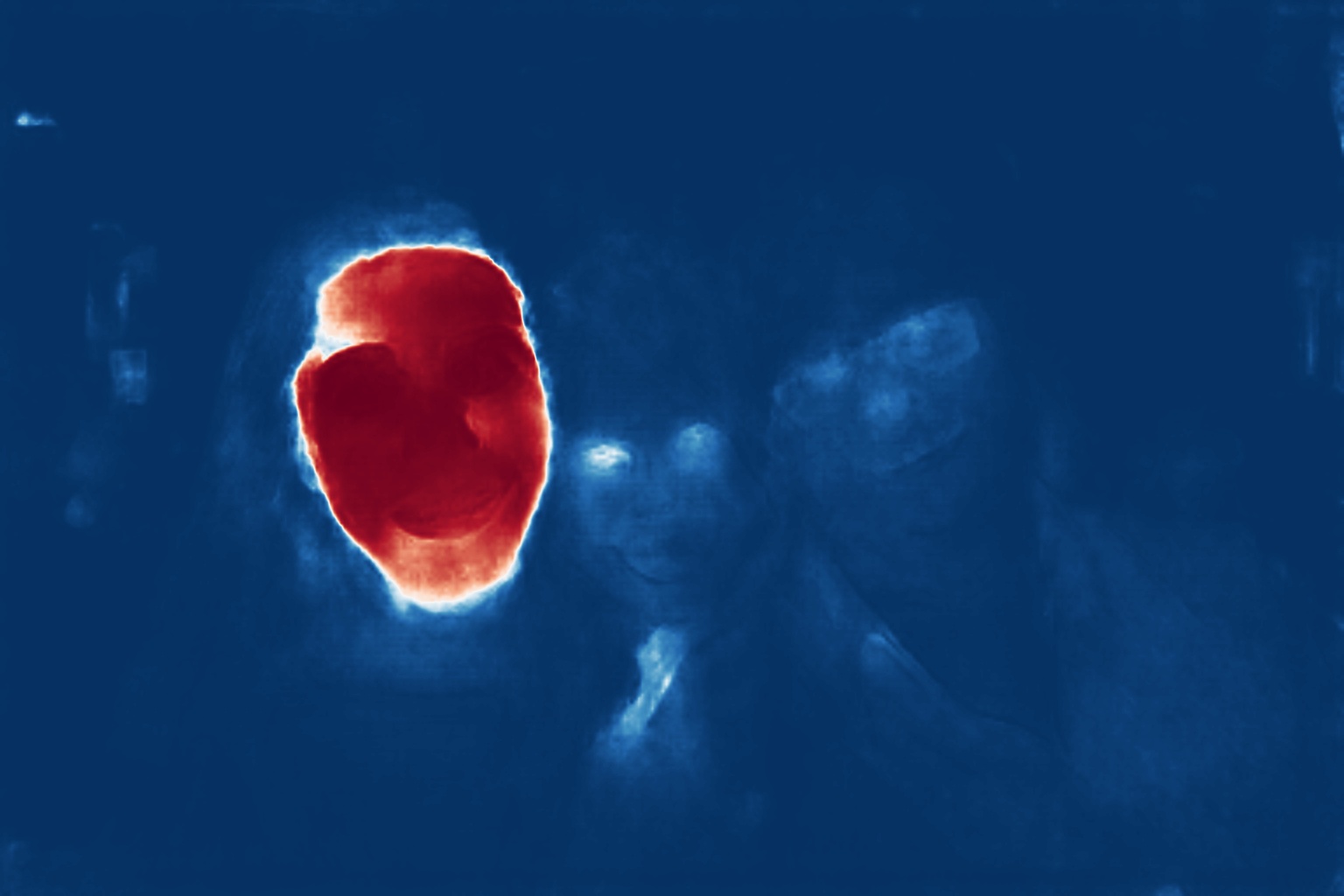
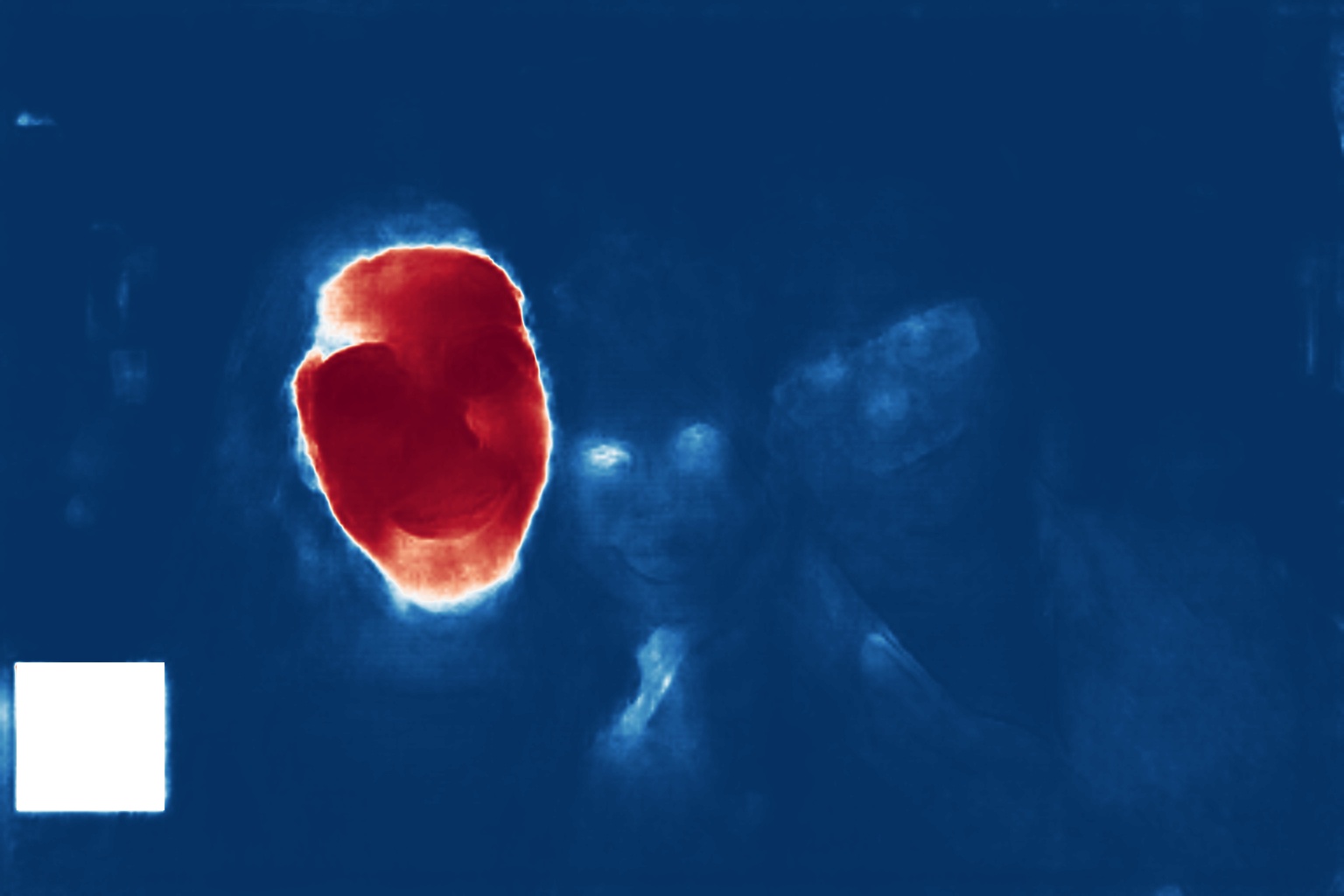
Before adding the logo as a forensic distraction, TruFor detects the forgery with high accuracy (c). After adding the distraction, TruFor fails (d). With our masked-convolution approach, TruFor ignores the distraction and recovers — using both manual (e) and automatic (f) masking.

Abstract

Manipulating images has become increasingly easier due to advanced editing tools, leading to a surge in forged images being shared online, raising the need for robust multimedia forensics. Particularly, image forgery localization (IFL) methods aim to detect and localize image tampering.

In this paper, we expose and quantify the impact of forensic distractions on state-of-the-art IFL models. We define distractions as benign visual elements that occur in real-world scenarios, such as logos and visible watermarks. Our analysis, first of its kind, reveals that some recent IFL models (like CAT-Net and TruFor) are highly sensitive to distractions, suffering average performance degradations of 15.06% and 55.65%, respectively.

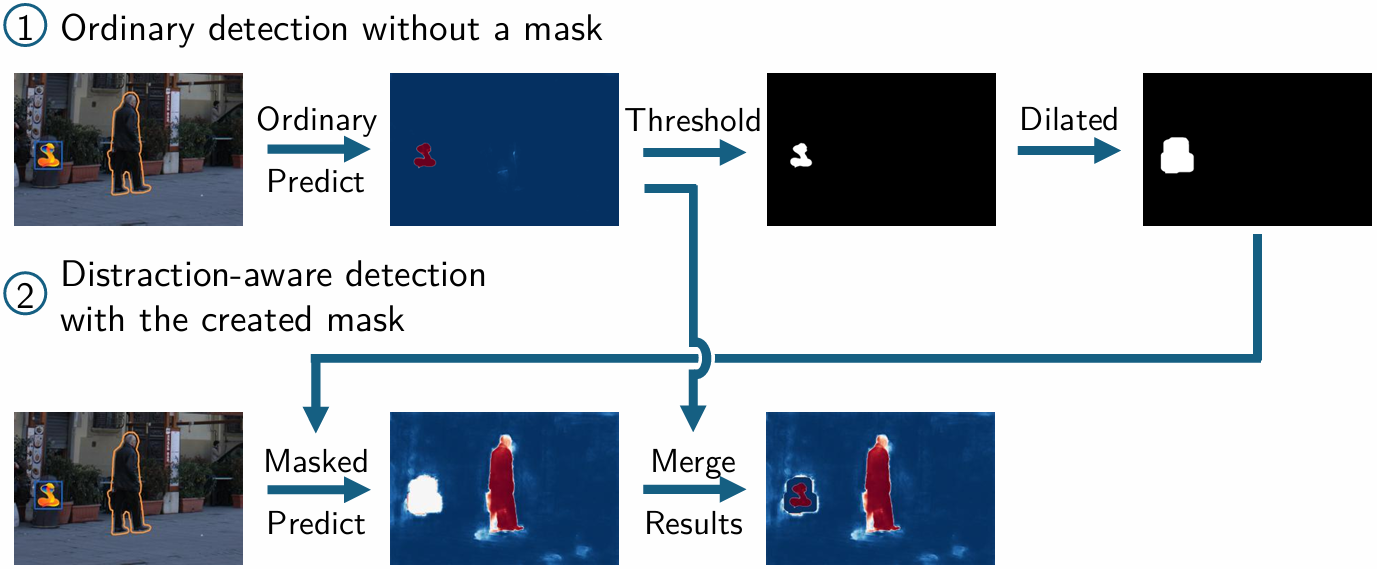
To address this issue, we propose masked convolutions, which enable CNN-based IFL methods to ignore masked regions during inference. Masked convolutions require no retraining, allowing existing models to be adapted seamlessly. Distractions can be manually masked, or automatically through a two-step detection process.

Experiments show that our proposed approaches significantly improve robustness against distractions, reducing performance degradation to just 4.15% for CAT-Net and 2.94% for TruFor. This demonstrates our method's potential as a distraction-aware technique to enhance the real-world applicability of IFL models.
Forensic Distractions

Benign overlays such as logos, visible watermarks or blurred faces can act as forensic distractions, pulling IFL models away from the true manipulated region. Below, predictions by TruFor and CAT-Net are shown, both with and without distraction present (red = high suspicion, blue = low). Performance is measured with the F1* scoreF1* score excludes distraction pixels from the evaluation. Only pixels where the distraction mask M = 0 are considered. This way models are neither rewarded nor penalized for detecting the distraction itself.

F1* = 2·TP / (2·TP + FP + FN)
(computed only over non-distraction pixels)
, which excludes distraction pixels so models are judged solely on detecting the actual forgery.

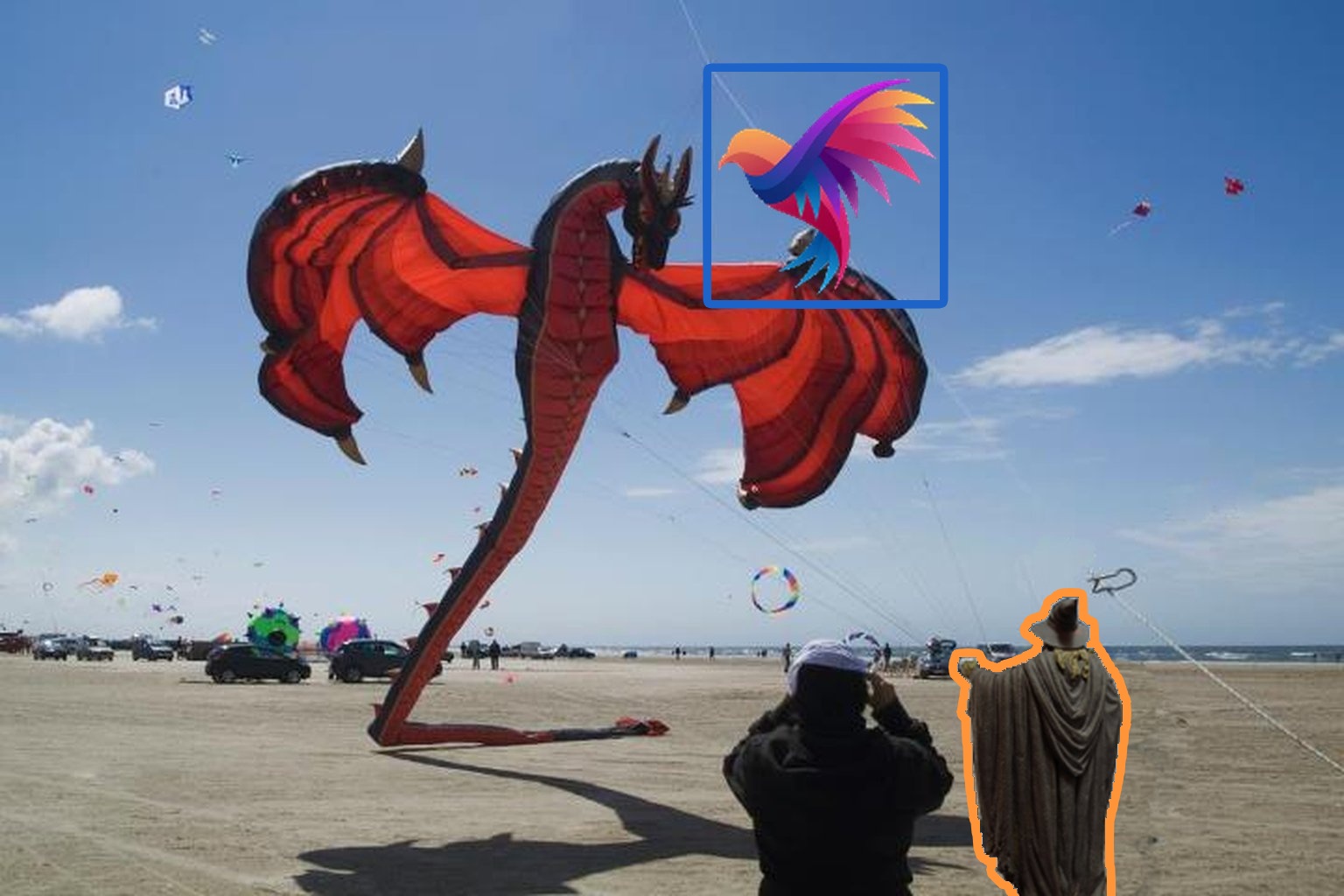
Manipulated image
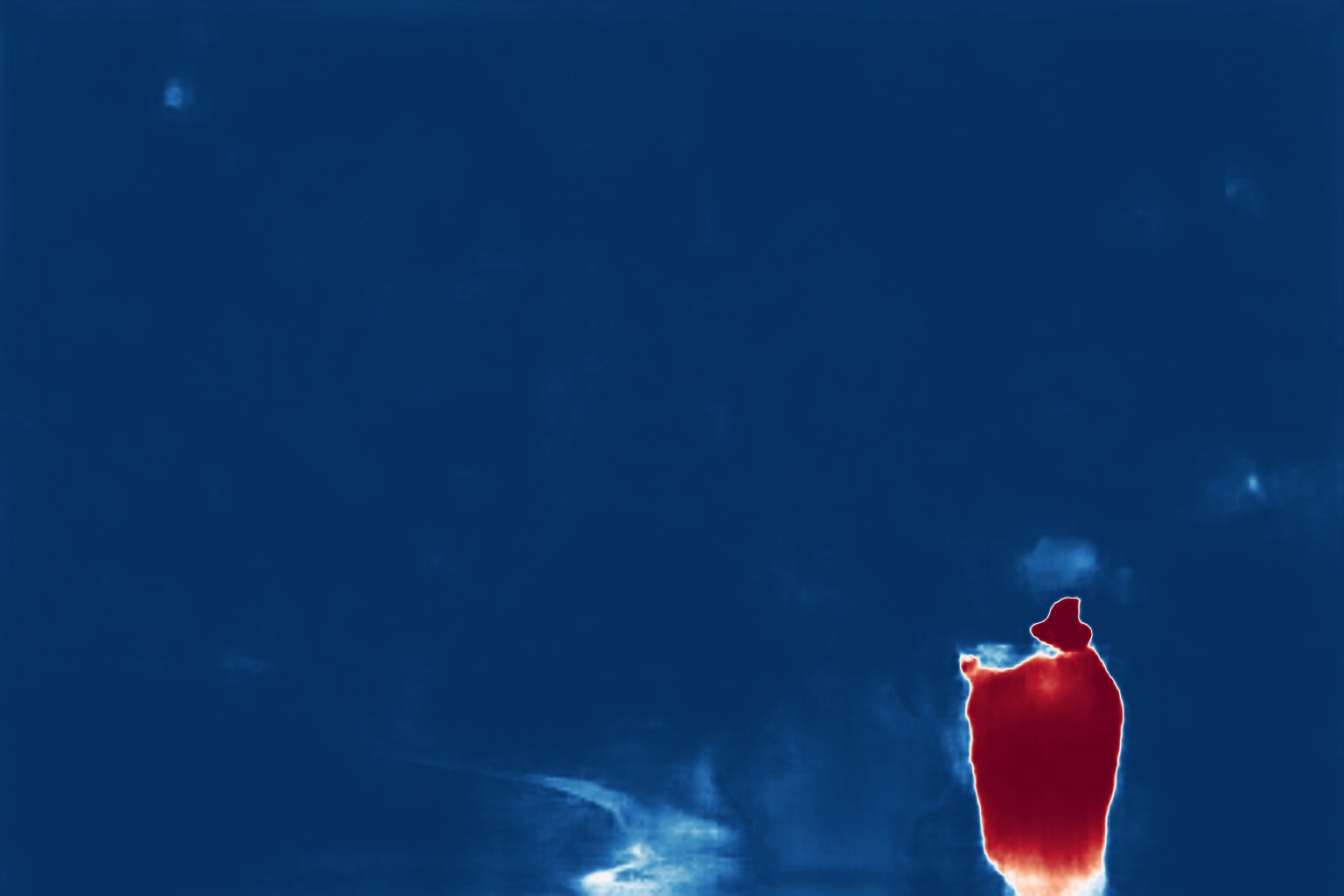
Prediction (no distraction)
Prediction (distracted)
TruFor example 1 manipulated image
TruFor example 1 prediction
F1*: 0.715
TruFor example 1 distracted prediction
F1*: 0.003
TruFor example 2 manipulated image
TruFor example 2 prediction
F1*: 0.820
TruFor example 2 distracted prediction
F1*: 0.157
CAT-Net example 1 manipulated image
CAT-Net example 1 prediction
F1*: 0.635
CAT-Net example 1 distracted prediction
F1*: 0.101
CAT-Net example 2 manipulated image
CAT-Net example 2 prediction
F1*: 0.797
CAT-Net example 2 distracted prediction
F1*: 0.491

Method

We developed masked convolutions: drop-in replacements for standard convolution and pooling layers that ignore explicitly masked regions during inference. We implemented them into both TruFor and CAT-Net, allowing these models to be made distraction-aware without requiring any retraining. Existing pretrained weights are reused as-is.
Masked convolutions

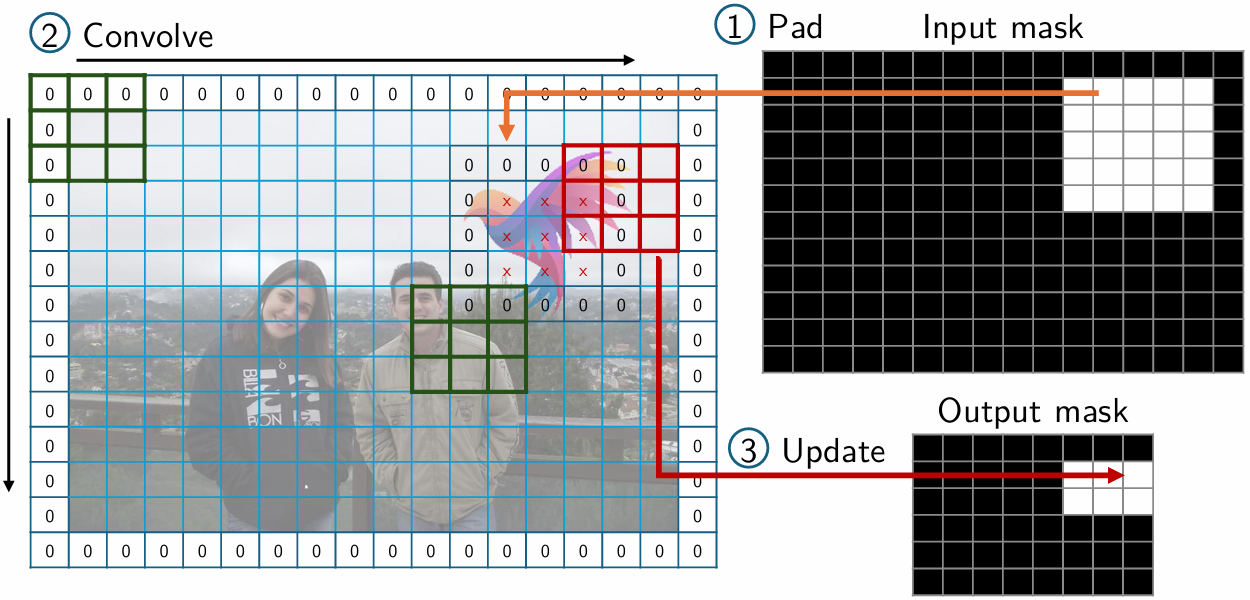
Masked convolutions are drop-in replacements for standard Conv2D and pooling layers, which take an additional binary mask alongside the input. Masked regions are treated as being cut from the input: (1) padding is applied to the holes, mirroring the inputs outer padding, before the (2) convolution is applied. The masked regions are then zeroed out and the (3) updated mask is propagated to the next layer. No retraining is needed, meaning existing weights can be reused directly.
Masked convolution diagram

Automatic masking

Instead of manually masking distractions, we can automatically generate a distraction mask using an iterative two-step process: (1) run inference without a mask, (2) threshold the prediction to generate a distraction mask, then (3) run inference again with that mask. This loop can be repeated for a configurable number of rounds.

Automatic masking diagram

Results

Some IFL models, particularly CAT-Net and TruFor, are highly sensitive to forensic distractions, suffering large performance drops when distractions are present. Adapting them with masked convolutions consistently recovers this lost performance.

Quantitative results

Model DSO-1 VIPP OpenForensics IMD2020 Average
OrigDistr. OrigDistr. OrigDistr. OrigDistr. OrigDistr.
DCT .185.183 -0.81% .150.139 -7.73% .120.115 -4.34% .131.124 -5.44% .147.140 -4.34%
ADQ1 .214.215 +0.64% .176.177 +0.92% .113.112 -1.28% .133.134 +0.42% .159.159 +0.33%
BLK .181.178 -2.02% .137.130 -5.08% .080.076 -4.19% .115.112 -2.57% .128.124 -3.29%
CAGI .224.228 +1.67% .158.166 +4.96% .065.068 +4.74% .111.120 +7.90% .139.145 +4.20%
PSCC-Net .061.051 -16.91% .135.120 -11.15% .078.058 -26.22% .098.082 -16.33% .093.078 -16.64%
CAT-Net .073.065 -11.42% .136.093 -31.66% .281.230 -18.20% .409.376 -8.04% .225.191 -15.06%
TruFor .422.225 -46.53% .321.103 -67.96% .405.127 -68.56% .447.252 -43.72% .399.177 -55.65%
Mod. CAT-Net Manual .073.068 -6.76% .136.138 +1.92% .281.260 -7.62% .409.395 -3.31% .225.215 -4.15%
Mod. CAT-Net Auto .075.068 -9.23% .144.145 +0.71% .276.248 -10.21% .401.377 -5.95% .224.209 -6.46%
Mod. TruFor Manual .422.406 -3.70% .321.308 -4.04% .405.395 -2.54% .447.439 -1.81% .399.387 -2.94%
Mod. TruFor Auto .422.374 -11.43% .346.290 -16.39% .392.330 -15.68% .423.369 -12.88% .396.341 -13.95%

TruFor and CAT-Net were trained on the IMD2020 dataset, which explains their higher performance and robustness to distractions on this dataset.

Visual comparison

Prediction heatmaps by TruFor and CAT-Net (red = high suspicion, blue = low). Performance is measured with the F1* scoreF1* score excludes distraction pixels from the evaluation. Only pixels where the distraction mask M = 0 are considered. This way models are neither rewarded nor penalized for detecting the distraction itself.

F1* = 2·TP / (2·TP + FP + FN)
(computed only over non-distraction pixels)
. Hover the mask tags to see the used distraction mask.

Manipulated
image
No distraction
Distracted
Manual prediction
Auto prediction
Auto prediction
(no distraction)
input
no distr
F1*: 0.833
distracted
F1*: 0.018
manual pred
F1*: 0.832Mask
auto pred
F1*: 0.817Mask
auto pred no distr
F1*: 0.828
input
no distr
F1*: 0.692
distracted
F1*: 0.027
manual pred
F1*: 0.688Mask
auto pred
F1*: 0.621Mask
auto pred no distr
F1*: 0.661
input
no distr
F1*: 0.636
distracted
F1*: 0.069
manual pred
F1*: 0.636Mask
auto pred
F1*: 0.575Mask
auto pred no distr
F1*: 0.618
input
no distr
F1*: 0.703
distracted
F1*: 0.009
manual pred
F1*: 0.697Mask
auto pred
F1*: 0.616Mask
auto pred no distr
F1*: 0.680

Scatter plots

The scatter plots compare the impact of distractions on the original TruFor model and our adapted version. Each point represents one image. The y-axis shows the F1* scoreF1* score excludes distraction pixels from the evaluation. Only pixels where the distraction mask M = 0 are considered. This way models are neither rewarded nor penalized for detecting the distraction itself.

F1* = 2·TP / (2·TP + FP + FN)
(computed only over non-distraction pixels)
without distractions, while the x-axis shows the F1* scoreF1* score excludes distraction pixels from the evaluation. Only pixels where the distraction mask M = 0 are considered. This way models are neither rewarded nor penalized for detecting the distraction itself.

F1* = 2·TP / (2·TP + FP + FN)
(computed only over non-distraction pixels)
after a distraction is added. Points on the diagonal are unaffected by the distraction, whereas points to the left indicate degraded performance. Our approach shifts these points back toward the diagonal, demonstrating improved robustness.

Unmodified TruFor
Scatter plot unmodified TruFor
TruFor with Masked Convolutions (ours)
Scatter plot masked convolutions

Citation

@InProceedings{Staelens_2026_WACVW,
    author    = {Staelens, Xander and Lambert, Peter and Van Wallendael, Glenn and Mareen, Hannes},
    title     = {Ignoring the Decoy: Exposing and Tackling Forensic Distractions in Image Forgery Localization using Masked Convolutions},
    booktitle = {Proceedings of the IEEE/CVF Winter Conference on Applications of Computer Vision (WACV) Workshops},
    year      = {2026},
    pages     = {924--932}
}

Acknowledgments

This work was funded in part by IDLab (Ghent University – imec), by Flanders Innovation & Entrepreneurship (VLAIO), by Research Foundation – Flanders (FWO) (1SA9O26N & G0A2523N), and by the European Union. This work builds on TruFor (GRIP-UNINA) and CAT-Net (Myung-Joon Kwon).
This project page was adapted from the Nerfies project page.